Engaging the Culture through Worship
Sunday Worship is also a time for engaging the culture around us
Dr. Mark Sooy
December 12, 2025
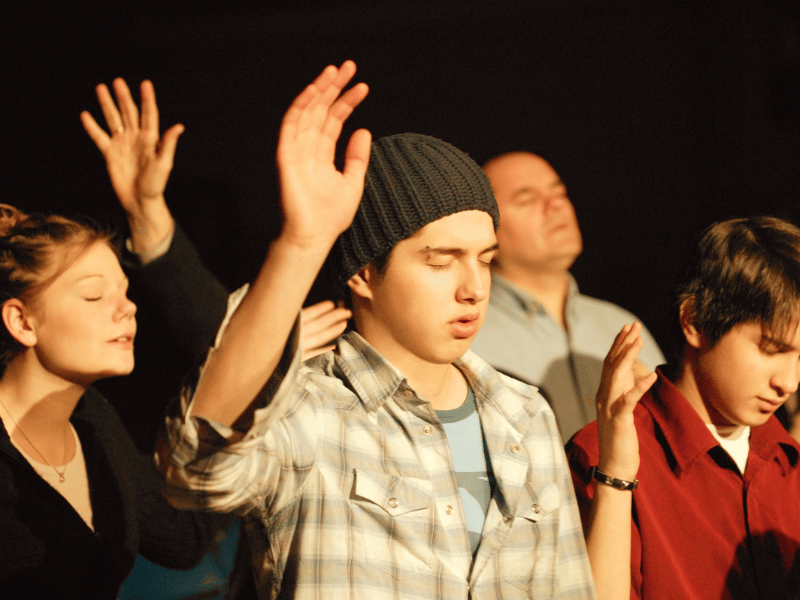
Sunday morning. Time for the gathering of communities of Christians to gather for worship and fellowship. Yet, it also is a time for serving and engaging the culture from week to week. By keeping in mind the foundation of service in our worship gatherings, we can meaningfully influence our culture from week to week.
For many churches, the Sunday morning worship service is quite predictable. The format followed each week is the same, and variations happen only on special occasions. Even then, the changes are only slight. Many believers enjoy this style of service and find comfort in knowing what to expect from week to week.
For other churches, Sunday morning is anything but predictable. The order of service changes weekly, new songs are introduced regularly, the pastor uses creative elements and technology for sermon illustrations. Some of these churches change the setting on stage from week to week, or even in the middle of the service. Those attending churches such as this enjoy the anticipation of what next Sunday will bring.
Existing somewhere in between these two extremes are those churches that may, or may not, use a somewhat regular order of service. Although many elements remain the same from week to week, the order of the service changes pretty regularly. Maybe the general order of service is the same (Welcome, music, offering, sermon), but each part may differ on any given Sunday. Basically, there is enough familiarity to be comfortable, and enough creativity to be interesting.
Normally, we would call the first church described above a “liturgical” church; the second would be considered “free form” worship; and the third some sort of hybrid between the two. Whether a church subscribes to any of them, or none of them, is inconsequential. Each has legitimate strengths to build upon, and weaknesses to overcome. I have found that seeking to experience each style has enriched my understanding and enjoyment of corporate worship altogether.
What I’d like to point out is that each of these churches is operating from some sort of a “liturgy.” The word “liturgy” is one we hear used, but often misunderstand its meaning. It originated from a Latin word that means “service.” When we say that a church is using a liturgy, then we are saying that it is doing service. Not doing a service, but doing service.
But what exactly does it mean for a church to be doing service? I’m not asking about the content, for example: Is this a seeker-sensitive service or one targeted at believers? What I mean is: How is the church serving? Whom is it serving? How is the service rendered?
We could have long, involved discussions to answer these questions, but let me give a few ideas to get you thinking about it. First, the church serves Jesus Christ. Before we can serve seekers, believers, or any other demographic category we must have the mindset to serve our Lord. Our purpose and focus must always to be to bring Him glory and honor in the way we serve the people to whom He has called us. In fact, it can be argued that the only way we can show that we love and serve Jesus is to love and serve the people around us.
And that’s the next aspect of serving. It’s here that we, as a body, engage our culture. The church serves the people in its midst. This must be a balance of service to both believers and unbelievers. When the church serves only believers, it will eventually grow stagnant and become complacent and self-serving. When a church only focuses on the unbeliever, it will often lack the depth of spirituality to withstand the attacks of enemies within and without. There must be a balance of genuine love and care for those who are “the least, the last and the lost” which will bring them to Jesus, and then the ability to equip them (along with all the believers) to join the battle of the ages.
In our public worship “services” we should seek to balance these characteristics of both evangelism and discipleship. When the Truth is proclaimed through music, Scripture reading, preaching and teaching, prayer and other elements of corporate worship God will move the hearts of men and women to respond to that Truth. The Holy Spirit is in the business of changing lives, and we must admit that the lives of believers often require changes that rival the changes needed in the lives of unbelievers.
So, as you prepare or participate in the “liturgy” of your church this Sunday. Consider how you are being served, and how you might serve those around you. Be sensitive to the Holy Spirit’s movement in your life. He will teach you and use you—maybe even at the same moment. Truly, this will be the moment when “liturgy” really happens!
Download This Article

Mark Sooy is a theologian, teacher, author, and musician who serves in university instruction, authoring, conference speaking and leading, private music instruction and other forms of Christian service. Mark holds a Doctor of Ministry degree from LBC | Capital Seminary with a focus on the spiritual formation of leaders, an MA in Historical Theology from Grand Rapids Theological Seminary of Cornerstone University , and a Bachelor of Theology degree from Grace Bible College. He is also a commissioned graduate of the Colson Fellows (formerly known as the Centurions Program ).
Mark’s published work includes articles for periodical publications, devotionals, as well as three books: Essays on Martin Luther’s Theology of Music ; The Life of Worship: Rethink, Reform, Renew ; and, Lessons in the Silence of God.
A fourth book, co-authored with Elisabeth Sooy, is titled: Weekday Wisdom: Daily Reflections for Leaders and Administrators
Mark and his wife currently reside in West Michigan. For further information please visit: www.MarkSooy.com