The No Kings Protests: What Millions in the Streets Really Means for America
Conservatives need to take this movement seriously.
Reagan Faulkner
March 30, 2026
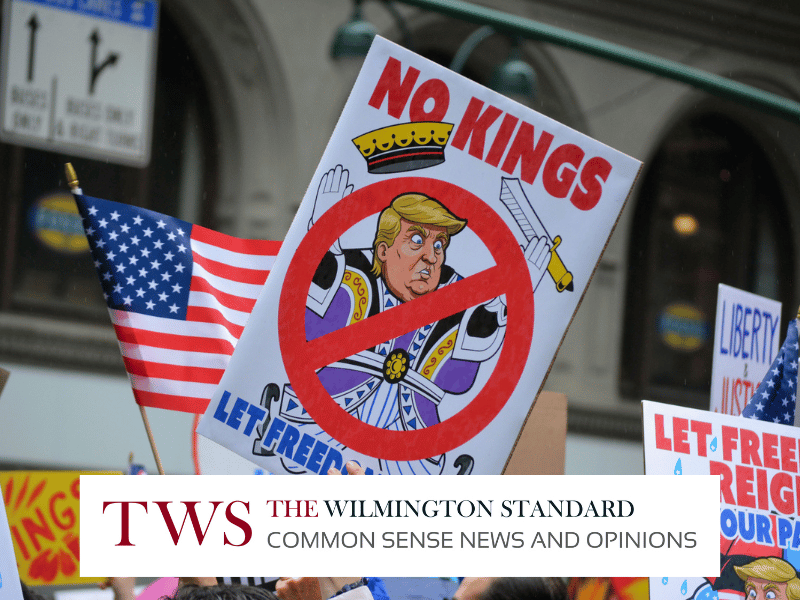
In recent months, the “No Kings” protests have exploded across the country, drawing crowds that rival some of the largest mass demonstrations in American history. More than 8 million people participated across 3,100 officially organized events, a scale surpassed only by the first Earth Day in 1970. For a movement that many conservative commentators initially dismissed as quirky, unserious, or even humorous, the sheer size alone demands a closer look.
But numbers tell only part of the story.
Behind the homemade signs, the costumes, and the festival-like atmosphere lies a highly coordinated coalition — one that blends mainstream progressive groups with organizations far outside the political mainstream. And while some conservatives have chosen to mock the aesthetics of the protests, the left has been quietly building something far more consequential: a mass movement with structure, strategy, and long-term ambition.
Who Organized the Protests — and Who Simply Showed Up
One of the most important distinctions often missed in conservative commentary is the difference between official partners and attending groups.
Official partners included organizations with national reach and established political infrastructure, such as:
- The Democratic Socialists of America
- Planned Parenthood
- Build the Resistance (whose website declares, “Our volume is designed to drown out the
- doom, despair, and isolation that feeds fascism.”)
- The American Association of University Professors
These groups didn’t just show up — they helped plan, coordinate, and promote the events. They provided volunteers, communication channels, and logistical support. They treated the protests as a strategic organizing opportunity.
But then there were the attending groups, which included:
- Revolutionary Communists of America
- Independent Socialist Group
- Local Antifa chapters
- Teachers’ unions
- Various unaffiliated radical collectives
These groups were not official partners, but they were present — handing out literature, recruiting, and using the massive crowds as fertile ground for ideological outreach. This distinction matters. It reveals a layered coalition: a respectable public face supported by a deeper, more radical ecosystem.
A Movement Designed to Feel Fun — and Disarming
The No Kings events were intentionally crafted to feel like community festivals rather than political rallies. Live music, poetry readings, interactive chants, and a celebratory tone created an environment where attendees felt energized, welcomed, and emotionally connected.
That emotional connection is not accidental. It is a recruitment tool.
When people feel good, they let their guard down. They sign up for newsletters. They join text lists. They follow organizers on social media. They become part of a network — one that can be activated again and again.
And the organizers know this.
Why This Matters for Conservatives
While many on the right have chosen to laugh at the signs or poke fun at elderly attendees, the left has been doing something far more serious: building capacity.
They are:
- Collecting millions of emails and phone numbers
- Training volunteers
- Creating shared narratives
- Mobilizing for future actions
- Normalizing radical rhetoric within mainstream spaces
This is not a one-day spectacle. It is the construction of a long-term political machine.
And conservatives, by and large, are not treating it that way.
The Hook for the Next Article
In my next piece — the main article in this two-part release — I’ll break down exactly why conservatives must stop joking about these protests and start taking them seriously. Because while the right is busy mocking costumes and chanting “own the libs,” the left is building one of the most effective mass-mobilization efforts in decades.
If conservatives want to preserve their values, their influence, and the future of the country, we must understand what we’re up against — and why the time for passive commentary is over.
The next article will explain why the right needs a mass movement of its own — and how we begin building it.
Download Article
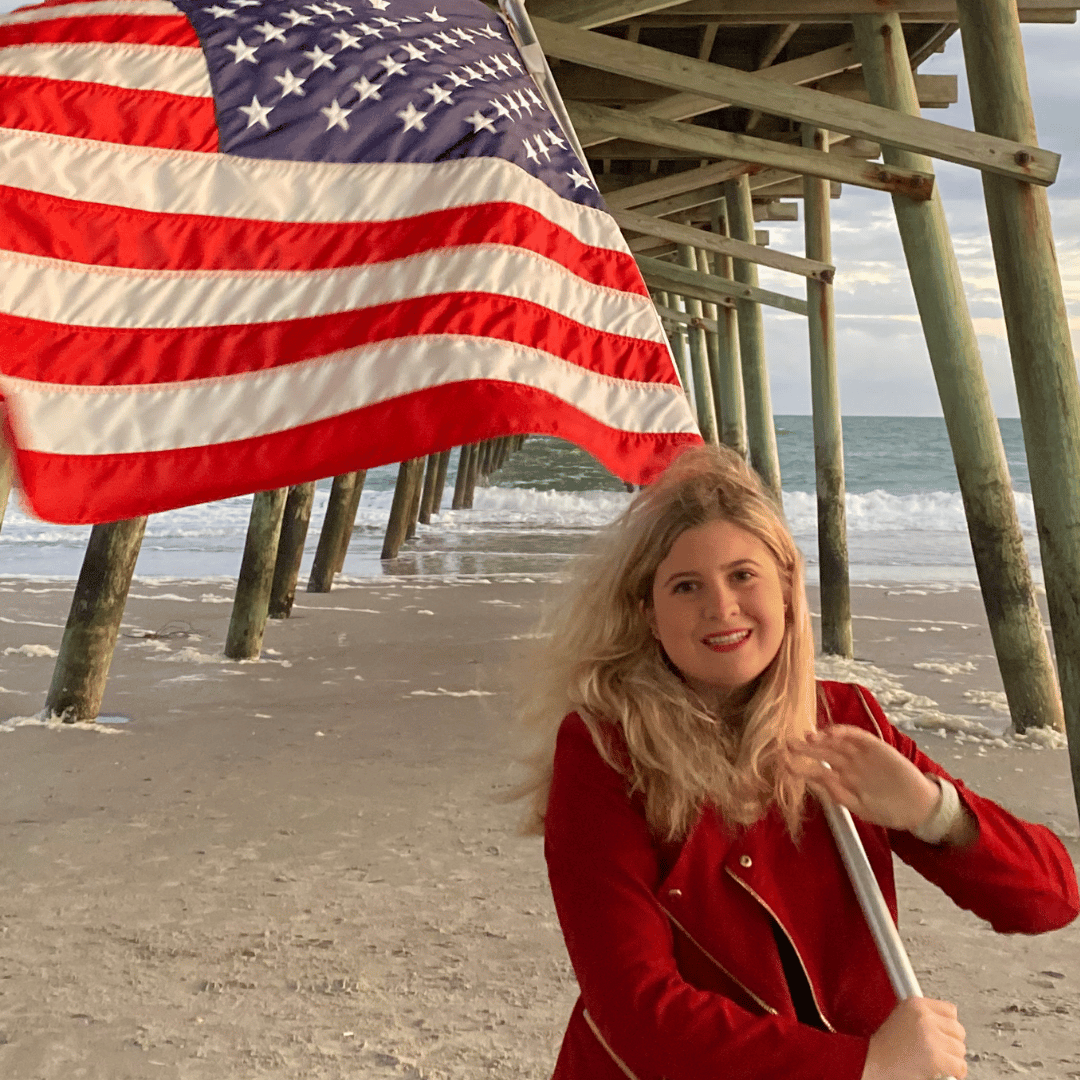 Reagan Faulkner is a student at the University of North Carolina Wilmington, where she currently serves as president of the university’s College Republicans chapter. Her leadership and passion for civic engagement have earned her national and local recognition, with appearances on The Ingraham Angle on Fox News, coverage in Fox Digital and The New York Times, as well as features in Wilmington-area news outlets and television stations.
Politics has been a lifelong calling for Reagan—fittingly, she was named after President Ronald Reagan. From an early age, she has been driven by a commitment to public service and a belief in the power of young voices to influence the future. She is especially passionate about educating the next generation of Americans on how to mobilize, inspire their peers, and create meaningful change.
Outside of her political work, Reagan finds joy in the simple things: reading, spending time at the beach with her boyfriend and friends, and boating with her family. Her values center on the preservation of American traditions such as the importance of the nuclear family, Christian principles, and cultivating respectful discourse across differences.
Reagan brings to the podcast not only her personal convictions but also an unwavering dedication to fostering conversations that challenge, encourage, and empower listeners to think deeply about the values that shape our society.
