The Land Is Part of What We're Celebrating
Patriotism as caring for the rivers, coastlines, and forests we inherit
Trevor Blackwelder
July 7, 2026
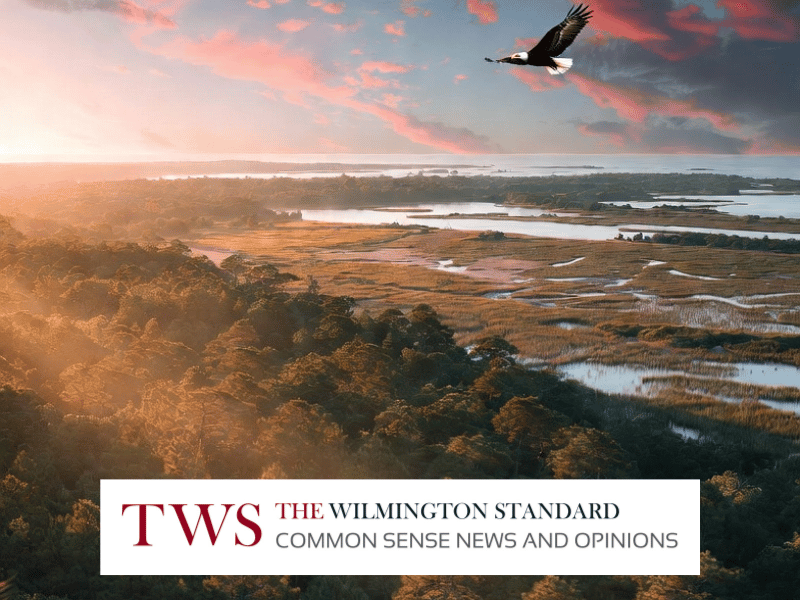
On every Fourth of July for the last 250 years, we've celebrated what makes this country worth loving. We talk about the founding principles, the freedoms secured through sacrifice, the idea that America is something worth passing on. What we talk about less, but should emphasize, is the land itself. The rivers, the coastline, the forests, and wetlands are as much a part of this inheritance as any document or institution.
Patriotism, at its core, is a love of country expressed through faithful care for the things that make it what it is. For most Americans, that starts close to home: a familiar stretch of shoreline, a river they grew up fishing, a tract of woods their family has hunted for generations. The American Conservation Coalition puts it plainly: conservation is patriotism given form. It's what loving your country looks like when it moves from sentiment into action.
That framing didn't start with ACC. It began with the first American conservationists, many of them conservatives who understood that the land was a heritage to be kept. Theodore Roosevelt set aside 230 million acres of public land because he believed a great nation had a duty to its landscape. The same instinct that drove westward expansion, that sense that America was something exceptional and worth protecting, also produced the national park system, the wildlife refuge, and the working forests managed for future generations.
That impulse carried forward through the generations that followed. When soldiers came home from World War II, they returned to fish the same rivers and hunt the same woods they'd crossed an ocean to defend. The hunting clubs, fishing organizations, and conservation groups that flourished in the decades after were born from that same attachment, a specific love for a specific place, expressed through the practical work of keeping it intact for the next generation.
Here in Wilmington, that inheritance is visible every day. From the Cape Fear River to the marshes and sounds along the coast to the longleaf pine forests inland, these are the backdrop of daily life, the setting for the fishing trips and hunting seasons and family weekends that define what it means to live here. Protecting them is an act of fidelity to this place and the people who call it home.
The conservative case for conservation has always rested on this foundation. Strong property rights, responsible stewardship, and competitive markets that reward innovation rather than pollution are the tools that produce the best environmental outcomes and the most durable ones, because they align the interests of people with the health of the land they depend on. That alignment is what makes conservation last, and it's what makes it distinctly American.
For 250 years, this land has fed our families, shaped our communities, and given generations of Americans something worth fighting for. Treat it with the same love that built this country, and it will be here for the next 250 years of celebrating.

Trevor Blackwelder is the North and South Carolina State Director for the American Conservation Coalition.
A North Carolina native and NC State graduate, he works across the region to advance practical, market-driven conservation solutions and expand young conservative engagement in environmental policy.
