Hurricanes, Medical Freedom and Books - With Rep. Jennifer Balkcom
April 23, 2025
Watch on YouTube
Listen on Buzzsprout
Like and Subscribe



Summary
In this episode of the Nikki and Reuel Podcast Experience, we welcome Jennifer Balkcom, Republican State Representative from Henderson County, North Carolina. The conversation covers the resilience of communities in the face of disasters, the importance of legislative support for families, and specific bills aimed at enhancing parental rights regarding medical records and educational content. Jennifer shares her experiences with community recovery efforts after hurricanes and floods, discusses the challenges of navigating legislative processes, and highlights the significance of parental involvement in children's health and education.
Takeaways
- Community resilience is vital in the face of disasters.
- Support from outside communities can significantly aid recovery efforts.
- Legislative changes are necessary to improve parental rights regarding children's medical records.
- House Bill 519 aims to enhance parental access to medical information.
- House Bill 636 addresses age-appropriate content in schools.
- Parents should be involved in their children's education and health decisions.
- The current laws may not adequately protect parental rights.
- Community organizations play a crucial role in disaster recovery.
- Legislation should reflect the needs of local communities rather than distant authorities.
- Prayer and community support are essential in overcoming challenges.
Sound Bites
- "I want to know what's going on with my son."
- "Parents are our child's biggest advocates."
- "We need to take the power from Washington."
Reuel Sample: Welcome to the Nikki and Reuel Podcast Experience. I'm Reuel Sample as always, joined by Nikki Bascome. Good afternoon Nikki, how are you today?
Nikki Bascome: I'm great. Reuel, how are you doing?
Reuel Sample: I am doing just fine. I don't want to keep our guest waiting, because we have seen from her schedule and the things that she is involved in. She is very, very busy. So, Nikki, who have you brought us today?
Nikki Bascome: So, speaking of not being close to the ocean, we have welcomed our friend Jennifer Balkcom, which is representative in Henderson County. Um, coming straight to you live stream. Jennifer, thank you so much for joining us.
Rep. Jennifer Balkcom: Thank you so much for having me.
Nikki Bascome: And I don't I don't think a whole lot of people know this, but, um, So not only do I have family that lives very close to Jennifer, it's so crazy. I have family everywhere. It's like every podcast. There's family somewhere.
Reuel Sample: Like rabbits. Jennifer. Rabbits.
Nikki Bascome: It's that North Carolina blood. You gotta watch out for those North Carolina natives. But also, um, when Jennifer and I met for the first time, I think it was about two years ago, she was one of my inspirations to run for, for our school board here in town. And she she still is an inspiration to me, even if I did not win my school board race. Just being active and being a mom and and not giving up on our children and not giving up on our community. And Jennifer, you're such an inspiration to so many people and I really thank you for that.
Rep. Jennifer Balkcom: Thank you so much. That is so sweet. Thank you. Um, I am, uh, being a mom is part of the job, and it's just, um. I'm glad that I'm able to inspire other women or other people, um, to, uh, step out of their comfort zone and run for an office or just to be more active and involved, um, with speaking up against, uh, things they don't want to happen in their town or their school boards. So I was so proud of you for running. So it was.
Nikki Bascome: Very.
Rep. Jennifer Balkcom: Exciting when I saw you run.
Reuel Sample: I make fun of Nikki a lot, but I am very proud of the run that she had. And, uh, she was a very, very good candidate. She would have made a great school board member. So thank you for inspiring her to run.
Nikki Bascome: So, um, speaking of your hometown, you have had your community has gone through so much when it came to the hurricanes and the floods and then fires. So how is your community pulling together with all of this? How are you guys doing now?
Rep. Jennifer Balkcom: You know, we take it a step at a time, a day at a time. We are resilient people here in the mountains. We pull up our bootstraps, we pull, um, we just tough it out and do what we have to do. You know, I saw so many people just forget themselves and was very, um, to help others. They stopped whatever they were doing to help so many other people right here in the town. I mean, we had so much support from far away, too. But just to see that, um, you would go to a home and say, hey, we have water, we have food, we have baby formula. And they would just say, no, um, there's other people who need it more than me. And I'm like, no, we we have an abundance. We want to make sure you have everything you need. And so many times people would not take the help because they felt they were taking it from someone else. So, um, that was part of the difficult of being able to provide for some of the people because they just felt guilty taking it for themselves, that they wanted to make sure other people could have it. It was it was surreal to see that. Um, and our and, um, I didn't expect anything different.
Rep. Jennifer Balkcom: It was more of us trying to persuade them that we're here to help them. Um, but from other people coming from out of town, they just could not. Well, they not take the help. And I said, it's just who they are. It's just who they are. Um. And if they didn't know you, they didn't want to take help. Um, just because that it's a I don't know that I would say it's a pride thing. I think it was just they felt guilty knowing that there was more people worse off than them, but they had no idea, um, that they were in bad shape. They didn't. They didn't think of it like that. They they wanted it for other people who they felt maybe worse off than them. Um, and being being that type of, um, just mountain hospitality. It was amazing to see more than once in many times that way. Um, and just the appreciation of being able to, uh, give them whatever they needed, um, was amazing. So heartfelt. But, um, we are doing much better. Uh, we have a long road. I mean, this is a long road. This is probably going to be one of the worst devastations in history. Um, in our in our area.
Rep. Jennifer Balkcom: It's it's not like it is in the coast. It's not flat when water, um, out there, you kind of know where everything is. Um, here. It wasn't like that. Uh, we have never. I think it was 1916. We've not had anything like that, uh, since 1960. And it was just a combination, um, of different things. And it was just something we, we hope we never see again. Um, in my lifetime or my children's lifetime. So, uh. But we are handling it the best we can. Um, I think we're learning as, um, legislative pat here. I think we're learning, uh, that we thought we would be prepared with all the disasters. I mean, think of Katrina, um, that we would be prepared for something like this. And to our surprise, we were not, um, and as many times as we've had hurricanes on the coast, and yet we were not, um, so we're not perfect, um, but trying to learn from our mistakes to make it better for North Carolina, I hope. Um, that's something we're we are very adamant about making this plan for future, that this doesn't happen again and that we're better prepared for sure.
Reuel Sample: So we are here on the East Coast. Uh, we are here on the East Coast. We do handle hurricanes differently. And so some folks here that just kind of walk off hurricanes have a hard time understanding that for you this is a huge thing. So what can folks here on the coast do for our brothers and sisters over there in the western part of North Carolina.
Rep. Jennifer Balkcom: I'm going to say the biggest the one thing for sure is keep us in your prayers. It is a daily struggle for families to try and get back to normal. There is still roads and bridges out. Um, we I know one student that's having to drive almost an hour to get to their, um, school. Uh, it's been a struggle for them just because the roads are out and you have to go along a different path. And I think, um, homes are being built. We. I cannot say enough about Samaritan's Purse and and all the people who have given. So in Henderson County, we were able to set up we have 120 square foot, it. Um, building that was not being used. I feel like that was the Lord's blessing, because it had been built and set empty for a year, and I kind of felt like Noah. We built it, the community built it and didn't know what it was going to be used for, and felt like God had set that aside for this particular, um, disaster. Uh, our county Commissioner, Rebecca McCall, kind of put headed that up and put that together. And once I was able to get out of my home, I showed up and said, what do you need? And I just started making phone calls. I made phone calls to as many people as I possibly could outside of our area. Um, to ask for help. I and it came in abundance. I called one representative who has a sock distributor. We had a bunch of kids who, um, in a whole neighborhood that just were running around with no socks on, and someone said, do you know where we can get socks? So I made a phone call thinking, I need 300 socks. I got two tractor trailer loads of socks. So it was like.
Nikki Bascome: Whoa, Okay.
Rep. Jennifer Balkcom: Um, let me be careful what I ask or request.
Reuel Sample: Socks are done. Socks are done. Yeah.
Rep. Jennifer Balkcom: So that was just one example. Like I it was like that with anything and everything that we asked for. If it was things for farmers, for hay, I had like almost 1000ft² of this building, feet of this building covered with just hay bales. I mean, it was it was crazy. We would have an intake section. Um, it looked like just it run. Um, great. We had six different locations around the community and schools that we would deliver these supplies to, that it was closer for people to come get. We had two shelters. Um, we had worked with, uh, Commissioner Troxler to get the ag center open for shelter. We had about 180, 50, uh, 50 beds there. But Buncombe County was able to use that shelter. So really and truly, we we all kind of come together and started cleaning when we knew this was kind of coming. A couple of days beforehand and just worked together to make sure we. We could start being set up for this. I don't think we really knew what was going to be entailed, but we did the best we could to be prepared for it, not knowing what it was going to look like. I'd say the biggest thing we, um. And I'm not trying to get off topic there, but, um.
Reuel Sample: We're the Nikki and Reuel podcast experience. We really never have a topic. No, it's.
Speaker4: Well, you know, it just leads off. You just kind of start going in and you lead off to another direction. And I'm like, I don't think I actually answered his question.
Rep. Jennifer Balkcom: But I kind of want you to know the story. We have an abundance of people who provided everything we needed, um, at the time we needed it. Like we would ask for something or I would make a phone call, and it's like a representative in that area would know someone like that had whatever. We needed EpiPens. We we had a hospital that was able to give us EpiPens and insulin. Um, we had we were able to have a refrigeration truck from one of our local areas, a restaurant, who kept it on site to keep this in cold. We had a truckload of ice show up, and I'm thinking ice. Okay. You know, you had people show up with food trucks in the parking lot to feed our volunteers and our EMS and our, uh, firemen and, and, uh, sheriff's department, anybody who was at this building or they could deliver food to. We we had them across from the coast to the central to out of state. Um, I actually found out that Tom one, uh, actually gave about $300,000. Wow. To, uh, Helene victims. So it was, I guess you could say nationally, if you think about.
Rep. Jennifer Balkcom: But I was thinking we we got it from all over the the country. Um, support. Uh, and that goes for the fires, too. I don't want to take away from that. What was interesting is in 2023, we had a fire in our Eddyville area. Um, 20 same time. That was in the fall 2024. We had Halloween and now we're in 2025 dealing with the fires again. And we please understand we were cautious, hoping this would not happen. My fear is the fall because that is usually when we're very dry. The leaves are coming off the trees that are in the mountains. But now you got to think we have all this fuel on the ground from all these trees down. And it is it's very dry here. We're not getting a lot of rain. I remember when in the spring we had tons of rain and we're not getting it right now. And we're so busy cleaning up the sides of our roads, who has time to go into the forest and work on these logging trails? It's it's just an abundance of so much we need and so little time and trying to get the job done. It's not something that's happening at a record speed, but we and. And municipalities are doing the best they can with what we have to do to get it. Out to get this debris moved. Um, we've had winds here right after the storm. We had winds. So, you know, we'd pick up all the trees, and now you have more downed trees. I mean, me and my, uh. We were just talking about the chief of police.
Reuel Sample: What did you all do wrong out there? I mean, you just can't really seem to catch a break, can you?
Rep. Jennifer Balkcom: You know what? But it may be that we've asked for God's patience. And God has given. You know, be careful what you ask for.
Reuel Sample: Yeah. Listen, I am a theologian by training. Never pray for patience. Never pray for patience.
Rep. Jennifer Balkcom: Uh, I've learned that the hard way, my friends. I can agree with you on that. Um. I will say it to myself and think. Lord, I was not praying that. I was just telling myself I needed it. I do not need you to help me with patience. I assure you I will work on it without you anymore. Um, but yeah. So I, you know, I God has things sometimes happen to us to have a story. I think, um, I was a freshman legislator who knew what to expect with this much, um, devastation in a matter of a year. Two years. I mean, that I know of. I don't think anyone's had to deal with this, and me being fairly new to this job have just jumped in to try to do the best I can and learn as I go. Um, and I know there's so many people still needing their homes, their roofs. I will say personally, um, my house is still destroyed in South Carolina. I have a home. Um, and we are still fighting with insurance companies to get our roof fixed and our home fixed from the tree damage. I can't imagine people having to deal with mudslides and the water. And you didn't buy flood insurance in the mountains. You just. That's not something you think about.
Rep. Jennifer Balkcom: And unless you were in a flood zone and required it, but you just didn't buy flood insurance. So, um, my Senator Moffatt is working on some flood plans for the state in to help increase. And then the flood insurance doesn't really cover enough to build your house back. I think the max is 250. I mean, in my in my area, a $250,000 house is is not is not even feasible. I think the average home price now roughly is 400,000. I mean, it's so you have to understand it's not even covering what to get them back to square one. So I can only imagine. I know there's millions of stories out there and everyone has it, but we are building back. We're doing what we can. We have a lot of volunteers, especially, like I said, Samaritan's Purse. I can't say enough about them coming into these communities and helping us build homes. Uh, there's an Amish, uh, group here helping build homes in our area, and they just whatever we need, they have been just abundantly kind and, um, helping to build that clean school. I can't say enough about all the wonderful people who have given their time, their energy, their money, their supplies, tools to help us, um, get back to some kind of normalcy.
Nikki Bascome: And then on top of dealing with the catastrophic damage that you guys have had to go through in western North Carolina, North Carolina as a whole still must go on. And you have a job to do in the North Carolina House of Representatives. And you have a House bill that we were talking about earlier that you said is a really heavy lift. So not only are you dealing with the damages of all of these things, you still have a job to do that you were elected to. Do you want to tell us about this House bill that that you are you're very passionate about? Um, tell us, tell us what's going on with this House bill. And and give us a good narrative, because there are some bad things being spun about this House bill. And I want you to set the record straight, Jennifer, because I just respect so much that you're doing at the legislators office right now, and you are one of the primary sponsors of this bill as well, which is phenomenal. So I'll shut up. Please tell us.
Rep. Jennifer Balkcom: No. You're good. So I guess I'm taking on the medical society. Um, medical professionals who they not saying they don't have our children at at best, or their, um, good intentions, but there's also bad players. So in North Carolina, this law, we have a law currently since 1971, it's like 51 years old. It's old law. And back when we did this, we made some exceptions. And there's four total. There's pregnancy. Um, the, uh, um, drug and alcohol abuse, uh, mental health, which is where we're going to get in a little life has changed. And then you have STDs, which are sexually transmitted diseases. So to be able to, um, uh, consent for treatment for those four things, the minor has to give those consents for those those three things. Parents do not have to know about any of those example. And that goes with your medical records too. So we're going to get to that. So if you have a child who um, let's say let's do a 14. I'm a mom. So let's just say this kind of set. Well, and really where it started is at the 12 year old, there's no law stating this is where it comes in as a 12 year old. Um, that's kind of where the hospitals have decided that's where they want to put it as a 12 year old. But there's no law stating that. Just let me make that clear. Um, that decides that you need to give consent to your medical records at hospitals.
Rep. Jennifer Balkcom: So if I went in and I wanted a copy of my 13 year old's medical records, they could actually ask for his consent to do that. Um, to let me see his medical records. However, I am paying for him to be seen. Okay, so my insurance, I am paying the deductible, whatever it is for my child to be seen by these doctors. Here's where it gets tricky. So if a child leaves the school and they want to, um, I hate to use this example, but let's say a child goes into a school because there's now health clinics in schools and they're sexually active and they decide to get a prescription for a sexually transmitted disease, the parents have no clue. They did not consent. And now they're getting prescription for maybe someone. That's a that's a doctor or health clinic in a school. Or they could have gone outside the school. So you have a nurse or um, one of the counselors refer a child out because maybe they have anxiety. So they go outside to see, um, a psychiatrist for anxiety issues end up depression. And there's actually been, um, life taken suicide. And the parents had no idea they were seeing. Think about as a parent, if we could be more involved in our child's. If I know my son had anxiety or depression issues, don't you think I would want to be involved so that I can start building his confidence? Figure out where that anxiety am I part of the anxiety that I can come off, stop pushing him so hard or his dad being involved? You know, my husband.
Rep. Jennifer Balkcom: So if we had no idea and then to come home, leave him at home and then find him that way. Come home. It it's incredible as a parent, the grief that you have to deal with, and it's starting to be more common. I think we didn't really think about it. And now that we have all these things, especially that mental health umbrella, because that could be a transition surgery that you have no idea your child is now on puberty blockers. Or you could because that could go under mental health. Or that's usually where it goes, because they don't have to have a parent's consent or they don't have to tell you about it. Um, I would want to know if my son is sexually active so that I can get him to the right doctor. My son is allergic to certain things. So how does that doctor even know what he's allergic to? Um, to prescribe him a prescription that he may have allergic reaction to. Because you haven't seen his medical records to know that. So those are some concerns. Um, and so when we talk about medical records, We are not getting those records.
Rep. Jennifer Balkcom: They're basically just holding, even if my son goes. So, for instance, my son was sick. He had the flu. Well, they tested him for flu, Covid and strep because we didn't know what was wrong with him. I got a I got my insurance stating that he had these tests, but didn't tell me what tests they were. I knew what those tests were because we were. My husband went with him. He was there. He knew what he was being tested for. But if I had just got that in the mail, I want to know what he was being treated for or that I even knew he went to the doctor. So a lot of times that's how parents are finding out. The other thing is, I've had a lot of people say, well, what about HIPAA? Well, what HIPAA does is it follows basically that law is it follows who signs for the consent first. So if a hospital can tell you that the child has to sign instead of the parent getting their first to sign, then it's going to follow the child going forward. Going forward, once they have the child as the consent mechanism, it follows whoever the consent is. So if as a mom, I'll come in and no one because he's now 13. No one signed his consent. I am consigning his consent. It'll start falling with me. Except for those four currently.
Reuel Sample: So let me get this right, Jennifer. So that here in North Carolina, if you're 13 years old, you can have this complete medical history that parents have no idea that you might have. You might have a a string of STDs. You might have a string of mental health issues. You might have a string of abortions. You might have a string of all of this stuff as a kid, and that all under the current law, is blocked from parents medical records.
Rep. Jennifer Balkcom: Currently. Yes. Yes. And the consent. So it's two pieces. You have a consent for the medical records. Got that found the medical records piece, and then you have the consent for the four exceptions that are made. So currently I can give a consent to a flu shot for let's say that's separate because it doesn't fall in one of those categories. But if it falls in one of those categories, which the biggest one you and I both know is the mental health one, because who knows what you can put underneath there. That's right. You can find a way or will away. You'll figure it out there then. No, they have to get consent.
Reuel Sample: Which brings up your bill that you are supporting where you sponsored this bill. Actually, uh, it is I'm bringing it up. It is HB 519. And the great thing about this bill is you and I were talking about earlier is that it's two pages long. I mean, you can't possibly screw up a two page bill. Well, I mean, Democrats can do anything they want, but this is this is this is called the Parent's Medical b=Bill of Rights. And I like here in these first two paragraphs that you clearly outline that a physician must share with the parents, except for some very specifics, which we'll get to at the end, that those records must be shared with the parent or legal guardian.
Rep. Jennifer Balkcom: Yes. So a lot of issues this started coming from was foster parents. And I actually had where this brought to my attention is you had a mom in Henderson County and you had a dad in Gaston County. And the child, they couldn't get medical records when the child went to go visit for the summer, or if the child decided to go live with the mom, she couldn't get the records from the dad from Gaston County to share because the child had to give consent to that. Or when she went to go see her dad, the dad had to get consent from the records up here. It was. That's how it all kind of fell on my desk. And then because my son was still 11 when that happened and I'm like, mm, I'm gonna have to start paying attention when my son goes to the doctor. Um, that's not cool with me. Um, so it just kind of sets the red flags like, oh, no, I need to know what's going on with my son. Absolutely need to know. So the big pushback is that they're afraid kids will not come. So let me kind of give you the opposite side of this. So the biggest thing is the STDs.
Rep. Jennifer Balkcom: I've had a lot of pushback on it. That seems to be where the push is. And the problem is, is they feel that they cannot the teenager will not come to get help or get treatment if they have to tell their parents or if they're smoking pot, like, because they have to be treated for this anxiety. So they decided to smoke pot and they don't want to tell their parents they're smoking pot. Now, you know, it. Just those are some examples that were given. The problem I have here is that I will be upset. I will be hurt that my son is sexually active. But you also have to look at it like I need him to get better. I need him to heal, and my son can't remember to take his pill for lactose intolerance. I'm like, you just need a whole bottle, a gallon of ice cream. And he's like, I said, did you take your pill? And he's like, uh, no. I said, oh, well, see you after you get off the toilet in about an hour or two. I'm just saying, if we're going to have those prescriptions, who do you think is going to actually help them make sure they're taking that medicine on a constant, continuous basis to make them get better? Not to mention, if I'm not taking my child to go get health services, then I mean, technically I'm not taking care of my child and it's abuse to the child for not getting the, the, the medical attention he needs.
Rep. Jennifer Balkcom: So I, I find that very hard to believe. Um, the other thought, and it's something I've kind of said is North Carolina is number seven in. Um. According to CDC, in 2022, we are number seven for a sexually transmitted disease. And I believe it was gonorrhea. And we're number eight for chlamydia. So if this law has been on our books for 50 years, how would we know if parents are going to be a better advocate for their child if we have not had to do it in almost 50 years? How do you know those percentages? We won't be number 8 or 7 in the United States for this sexually transmitted disease. So there's also a study out of Texas where they kind of did what we did, and the parents were involved, and they actually saw a decline in chlamydia in young girls. Imagine that.
Reuel Sample: Imagine that.
Rep. Jennifer Balkcom: That was the study in 2014. So it is outdated. And I get a little pushback. But still it just shows you that. How do we know if we don't let parents be Involved. I feel like parents are our child's biggest advocates, whether it's in school or in medical. I'm not saying the doctor doesn't know what they're doing, and I know their intentions are well, but not all of them are. And as a parent, I want whatever's best for my child. Will I be happy that my. I mean, if my son was addicted to alcohol, do you think I would want alcohol in my home knowing that that he's struggling with that addiction? Here am. I have no idea. And there's alcohol. Maybe a bottle of wine sitting on my my counter. How is that reflected to him knowing that he's struggling with that?
Rep. Jennifer Balkcom: There may be parents who are on medication that they need to lock up their medical cabinets because they don't know their child is addicted to these. I mean, I just think if we have our parents of good intention and so they're like, well, what about bad act, you know, bad parents? There is still in my bill an exception if if the doctor thinks that the parent is neglecting or abusing that child, there is an exception and they have those key items to look for to do that, there is no I still have that exception. But you got to think, when I'm legislating, this bill is actually legislating more to the population of North Carolina. I mean, think about it. We actually believe that parents are the best thing for their kids, I hope, or at least I hope and pray that most North Carolinians, whether you're Democrat, Republican, it doesn't matter if you're a parent, you are your best intentions is for that child. Yes. Is there bad actors? By all means there is. But we as a society hopefully believe that most parents 90% 98 I'll even give you, um, I don't have my data in front of me, but I believe it's 98% is wanting what's best for their child. So this legislation is currently the way it is because I'm repealing it is we're legislating to 1.8% of North Carolinians thinking that all parents are bad actors and we know best. Well, isn't that kind of what happened with the the the parents Bill of rights with education? Kind of just my thought. They're throwing it out there.
Nikki Bascome: So what. And and I argued all the time when, when it came to the Parent Bill of Rights and when it comes to education of our children, our teachers and our medical professionals, they are the professionals in their field. However, you as the parent, are the expert of your particular child, and I am the expert of my child and we should be working together in a partnership, not hiding anything from the other one. And I feel like legislation. It's sad that we have to have legislation to to ask for people to partner with us and to move forward. Um, but speaking of education and being the expert of your child, there's another bill that that you sponsored. And I know this one's getting a lot of heat as well. And it's, um, House Bill 636 promoting wholesome content for students, because I know that in some circles of North Carolina, it has been dubbed the book banning bill, which it is not.
Rep. Jennifer Balkcom: We are not banning books like you can still go to your public library and Amazon and get these books.
Nikki Bascome: You can get whatever you want.
Rep. Jennifer Balkcom: Yes. So, um, I can't think of his name, I forgot it, but the books are that, um, that's out there. I think his name is Joseph. He's a pastor, and he he, um, he showed up at the General Assembly last week for this bill, and he was amazing. He had conversations outside of these committee meetings, and, um, I was listening to one, and I just thought, I cannot believe this is real. And and I hope this doesn't get blocked on your podcast, but it basically describes what a butt plug was in a middle school, um, and explained how to take care of it. Clean it. Um, so that you can reuse it safely without transmitting diseases. I do not think my 13 year old needs to learn about book clubs. I don't care if you're homosexual or heterosexual. My problem is it's a minor. It does not need to be in my son's school. And really, this is what age? Parents?
Reuel Sample: What age or what age are they starting to talk about that.
Rep. Jennifer Balkcom: So middle school is
Nikki Bascome: 10 to 15, 10 to 14 is usually the age of.
Rep. Jennifer Balkcom: Yes.
Reuel Sample: Wow.
Rep. Jennifer Balkcom: I mean, to eighth grade. Yeah. Sixth, seventh and eighth.
Nikki Bascome: So. So I had a parent just this morning messaging me about a, a book in fourth grade talking about miscarriages and stillbirths and and things like that. And when in fourth grade, we're not even doing sex ed, we're not doing health education. But our books in the classroom are talking about miscarriages and and watching. I mean, the in the book, the child, the child, the book is coming from the child's point of view. And the child is watching as a baby is stillborn. And this is in fourth grade. And it's like, uh, not so sure that this is age appropriate. Um, it's hard it is difficult to to listen to some of the stories and some of the books that are available. But I agree with you. It's not a book ban because you can go to your public library. You can go get these books if these are things that you want your child to learn and you want to and And it's perfectly fine with you. Please have at it. I don't like the fact that my child can go into their school library and pick up things like this. And unsupervised. Unsupervised?
Rep. Jennifer Balkcom: Well, this is taxpayers money. So I'm paying for these books to be in these schools, if you think about it. Um, and I just I do not believe pornography, period needs to be in our schools. Um, we have in certain school districts a policy for watching movies. So if it's rated PG 13, you have to have a parent's consent. And I'll give you an example where I would consent. So in high school, this is high school. Schindler's list. Okay. Phenomenal movie. We're learning about, um, Germany and that. And the teacher wants to show that movie. It is a rated R movie, but you are able because that means you'd have to be 18. And then we do have some seniors that are 18. You have to get a parent's permission. There's a slip you fill out, you get a parent's permission to watch that movie. And I use that because that's not pornography. That is a learning tool that from the past. That gives a great example of what that was back in the day. So this is for parents to have an avenue that is built of teachers and a parents to decide if a book and they are recommending, I mean, this crosses are recommending to the school board whether this book that has been found in their library needs to be removed.
Rep. Jennifer Balkcom: I mean, they have a whole process that is been given. It's not oh, it's banned period. There is a process that it goes through to verify whether this book needs to be taken out of that child's library, and that it's age appropriate. You know, I feel that quite a bit on the floor over the First Amendment. Free speech, free speech. And I said, you're absolutely right. And the Supreme Court did rule on free speech in schools. Absolutely does not stop at the school gates. However, there is Supreme Court ruling stating that it can restrict speech due to disruptions of learning. And I hate to use the word they. I can't remember the exact word, but vulgar, which is a very vague word, but they've already ruled on this, so no one's taking anybody's free speech. But when it is pornography and kids, the Supreme Court has pretty much already ruled, uh, on that.
Reuel Sample: The reaction of the Democrats has been has been predictable on this from the Carolina Journal. Uh, Marcia Morey from Durham, uh, cited a course. They always go to things like The Grapes of Wrath or, uh, To Kill a mockingbird, all books that I read as a as a high schooler, and they're saying that these things are going to prohibit such books from the libraries. And so Maury is screaming, that's book banning, that's censorship. Uh, I have very serious concerns that this is total censorship, that the book 1984, which has been banned in many libraries, is coming true in 2025. And as always, Jennifer, they are they are not completely truthful at all in any of this.
Rep. Jennifer Balkcom: No they're not. And like I said, these parents, if they still want their child to read these books, you can go get them at a public library. I just don't think and we actually focus in our bill more on pornography. And they act like we already have a a list on file. It's not that we're saying you need to check your entire library. We're saying if a parent brings up a book that says, my child got this from your library, they have a right to have, hey, I don't think this is age appropriate. I'm not saying all librarians know exactly what's in their library. I mean, libraries are huge. I think a parent should have a right to bring it to the school's attention that this book is in their library, and it's not age appropriate. There are so many parents in these school boards that don't have a way to get this away from their children. They don't want to see it, and they can't. And they read them. Have you seen these parents reading these these books aloud and they tell them they're vulgar?
Rep. Jennifer Balkcom: Heck, one author sitting on a on a bench outside of school, they would probably have me arrested and removed for reading some of this content. So but they wanted the school board, but it's in their it's in their libraries. And so a parent Appearance has to have a way to get this out. And this, to me, is a fair, uh. Open for many, um, ways to go through the process to have it removed. I mean, it's not like they're just going to ban it. There is a process and that's what we're doing. What this does.
Reuel Sample: In the in the state Senate, we have a supermajority. And in the House though, is that we do have a majority, but we don't have a veto proof majority. Uh, and more than likely, uh, our new governor is going to ex or try to stop some of these bills. Are you getting bipartisan support on this, or is you said that it is a heavy lift on both of these? Uh, what what are you thinking about the future of of both of these bills and the other bills that you are, that you are sponsoring?
Rep. Jennifer Balkcom: I will say the, um, the book bill actually had one Democrat votes. I believe in our favor. This may have been that book. That book bill. That I was very proud of him for stepping up. Um, the parents medical rights. I'm hearing it from Democrats, too. Um, but they want to know what's going on with their kids just because I'm a Democrat or Republican. They still love their kids, and they want to know what's going on with their kids. Like I said, I don't care if you're independent, Green Party libertarian, it doesn't matter. As a mom or dad, period, you want to know what's going on with your child? Period. 100%.
Nikki Bascome: Yes.
Rep. Jennifer Balkcom: So I'm not real concerned about that. I mean, I will have some pushback where they believe that maybe their child has every right to decide for themselves. I just kind of go back to, well, we don't think you can have cigarettes till you're 18 years old. We don't think you can drink alcohol until you're 21. You can't vote till you're 18. But you think they know best about STDs, their mental health, which they haven't even fully developed? Um, so I, you know, I stand with this bill, and I think most parents would if they understood it.
Nikki Bascome: And another there's another bill that I wanted to touch on real quickly because you have so many that are coming across. I mean, we hear all the time that Republicans don't care about veterans. Republicans don't care about farmland. But you've helped with a lot of the those type bills. But the one that I think that piques the interest of a lot of parents, um, especially when we start talking about the dismantling of the Federal Board of Education, is, um, you've got House Bill 883 that supports students with disabilities? Because we keep hearing that, oh, you get rid of the Department of Education and our our support for disabilities is not going to be there anymore.
Rep. Jennifer Balkcom: Well let me. So the act, the Civil Rights Act of 1964 is not going anywhere because of the Department of Education. Just want to make that clear. The act is still by Congress, been voted on is still law, regardless if we have a Department of Education. My also thought is, is as if you think about legislation and people telling you what you can do with your child and education. I would much rather have it closer to me as a constituent than far away making decisions in Washington about what happens to our schools. I would rather them move that authority and that money down to North Carolina. Because you know what? North Carolina knows what what they need. I don't I mean, what's good for Maryland and Baltimore, which is one of the highest paid for teachers, but yet one of the worst, um, education as far as lower scores than anywhere in the country. Don't need to tell North Carolina. What we need to do with where our schools are, because we may be successful in certain areas and others. We need help. And with that department being eliminated, that that control now comes closer to the constituent. We take the power from Washington, and we put it at least one step closer to the people and the parents. So to me, we can still we will still get the money. The money is still going to be there. It's got to go somewhere. But pushing that money down to the state so that the state can divvy that up to where it's needed within the state, rather than facing off a decision in Washington who it may be different in California versus North Carolina or Maryland or North Carolina. We are better closer to know what we need than Washington does. So I'm I'm in full support now, this bill. So my son was on an IEP for a while when he was in public school.
Reuel Sample: I'm going to interrupt you, Jennifer. You need to explain what IEP is.
Rep. Jennifer Balkcom: Sorry. I'm so sorry. I shouldn't use the acronym. I'm really bad to do that. It's an individual education plan program for a child who may have learning disability. It can be different things. Learning disability. Um.
Nikki Bascome: It could be a speech impediment.
Rep. Jennifer Balkcom: And I'm trying to think of all the examples.
Nikki Bascome: Yeah, there's a lot of you just need more individualized care. Um, when it comes to your education, whether it be, um, your a different language learner or, or something of that nature like my, my son is 13 now, but coming off of Covid from wearing the masks at school, he came out with a lisp. Um, he he had a speech impediment because we were in masks in third grade and fourth grade, learning more of the phonics and stuff. So he had an IEP for a little while. It could be something as simple as that.
Nikki Bascome: Yeah, and it could also be like a high functioning autism where you can be pushed into a classroom, but you still need a little bit more of that individualized learning, but not pulled out of a general classroom.
Rep. Jennifer Balkcom: Exactly. So what this does, and basically what we've seen, um, is that they may have a child that's autistic or down syndrome, and the school system cannot handle them in the classroom. This is kind of where this bill comes from. Here in Henderson County, we have a place called the Saint Gerard House, which is a school strictly for kids with disabilities like autism and things like that. That school may be able to take that child in because they know that's what their specialty is. They know what the disability is. They understand ABA therapy, which is a therapy used with autism based on where you are on the spectrum and they make an individual plan for you, whether it be your diet and what you're eating. How what concepts you're using for learning where that is. And so they are doing the work that the school system should be doing, but they can't. So this program this this grant is to help with those students with those disabilities that are able to get the things they need, but that the school system is not providing. My my hopeful goal is that that money that the school is getting, this is kind of the first step is that we take that money to put into this program, rather than creating money that we have to take from the budget because they're getting the money, they're just not teaching the child anymore. So why should they get the money for that child if they're not teaching them or helping them? Why wouldn't, in my example, Saint Gerard house be able to have that money since they're now taking care of that child and teaching that child?
Rep. Jennifer Balkcom: So my ultimate goal. Like I said, it's it's a it's going to be a process is to eventually get that money to go to the school that the child is going to basically following the child because they're teaching the child and not being able to stay in a public school setting.
Reuel Sample: The very core thing that I'm that I like across all of these gazillions of bills, that you are that gazillions, that's a podcast term. Uh, it's used, uh, it's used here in the industry. Uh, that you are, that you are involved with sponsoring, co-sponsoring all this stuff is that you are you said it earlier, you are a you are appealing to common denominators across all parties, whether you're a Democrat or a Republican. You want to know what your kids are facing. You want to know what their medical records are. You want to know, uh, what they're reading in school. You want to know, uh, all of these things. And it's Republicans that are leading the charge on this. So how can people support you in these, in these, in these things going forward?
Rep. Jennifer Balkcom: I think, um, standing up for their child, if, um, one thing we don't get enough is a lot of feedback from where we have examples from constituents who are having to deal with this, and we don't know how to help them. And sometimes it helps us to craft bills. The other thing is just prayer. I would say pray because there's a lot of, um, things that we fight that you just wouldn't even think about. And sometimes the power of prayer is really, um, what can do that, um, can make it happen and, um, help us feel more confident and know that we're doing the right thing, um, for the for our constituents, for our children, for the parents, whoever it may be. Um, sometimes it doesn't look like that, but It's truly, I think all legislators really want to do what's best for their constituents. It just looks a lot different in different areas based on where you are.
Reuel Sample: Representative Jennifer Balkcom from western North Carolina taking probably as much time as she possibly could from her very busy schedule. We will keep keep you in prayer and, uh, keep the things that you are doing. Uh, thanks so much for joining us today.
Rep. Jennifer Balkcom: Thank you so much for having me. I've enjoyed it.
Nikki Bascome: Thank you. Jen. It's great to see you again too.
Rep. Jennifer Balkcom: It was good to see you too, my friend.
Reuel Sample: Thanks for coming. Well, once again, you brought a fantastic guest. Fantastic things that she is doing. Uh, boy, she's got a lot of stuff going on. She's fighting. As I said, she's fighting the good fight.
Nikki Bascome: She has she has so much going on. And one of the things that I wanted to bring up, um, with, uh, gosh, it was the promoting the wholesome content bill. Um, I've seen so much pushback on that one. Um, but some of the primary sponsors on that are Neil Jackson, Brian Biggs, David Willis, all of these wonderful, wonderful legislators in Raleigh from across our state that have children. Um, Neil Jackson has five kids of his own. He, he, him and his wife founded a foster home. Then you got Bryan Biggs, who's, you know, he was the vice chair of his school board from 2014 to 2022. And now he's a legislator. And then you've got David Willis, who's starting so many, um, programs that are bipartisan programs, like one that's going to be all about fatherhood programs in North Carolina and really helping increase father, um, involvement, fathers involvement in their children's lives. And that's a bipartisan thing that Davis David Willis is doing. And then you've got Jennifer on on that as well. And every single one of them are parents in North Carolina that are bringing about change and legislation in North Carolina. Um, I feel comfortable and I feel wonderful knowing that these people are speaking for us. So when I heard I saw you brought up the Carolina Journal, but I saw something else online saying that these, um, out of touch legislators are making are making decisions for us. Uh, I beg to differ. They are not out of touch. They are parents, just like we are. And one of them I don't you know, I didn't research their children, which we really shouldn't be, but they have children. One I know, of course, says that they have children in public schools. So whether they're in public schools or whether they're not, they're still making decisions for parents. All parents in North Carolina.
Reuel Sample: If you're a Democrat listening to this podcast and we know that there are Democrats listening to this podcast, uh, we're not asking you to change parties. We're not. But if you are a parent, what we are simply asking is, do you want to know what's in your kid's medical records? Do you want to know what they're reading in schools? Do you want them to not talk about stuff that I actually didn't learn until after I got out of the Navy? Uh, things, you know, uh, you know, if that's what you want, then call up your congressperson. Uh, whether you're a Democrat or a Republican and say, get this done. Get it done. Because it really is.
Nikki Bascome: And you can you can reach out to them and tell them they're doing a good job. Yeah. Thank you. Yeah. Because they're they're getting all the nasty emails. Um, a lot of times, um, and I'm guilty of it as well as a busy parent. And you've caught this with me in our podcast. You know, I'm so busy just living life and getting things done and doing things day to day that I sometimes forget, um, that people are out there working for the betterment of our community and our betterment of our families. So.
Reuel Sample: Well, speaking of families Nikki's got to go and take care of her own family. And, um, thank you all for joining us on the Nikki and Reuel Podcast Experience. Once again, thank you very much to Jennifer Balcombe for joining us there from Western North Carolina. Uh, for the Nikki and Reuel podcast experience here on the Wilmington Conservative. I'm Reuel Sample.
Nikki Bascome: And I'm Nikki Bascome.
Reuel Sample: Thank you so much for listening.
Download Transcript
Download Podcast
Relevant Articles
Samaritan's Purse: https://samaritanspurse.org/
Rep. Jennifer Balkcom Page: https://www.ncleg.gov/Members/Biography/H/820
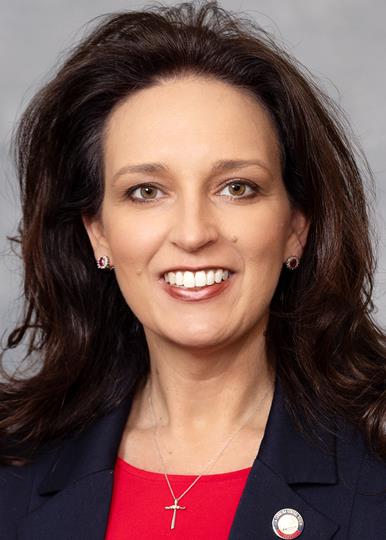 Jennifer Capps Balkcom has lived in Henderson County her entire life, growing up on the family farm. Her family goes back many generations in Henderson County.
A wife, mother, small business owner with over 20 years of experience as a mortgage banking professional, Jennifer has served in many community leadership positions, including as Vice President of the Hendersonville Women’s Club, Vice President of the Hendersonville Lions Club, and as Treasurer of the Mortgage Bankers Association of Western North Carolina.
She has also served on the boards of the Henderson County Education Foundation, the Advent Health Foundation Board, and St. Gerard House, a non-profit that serves those touched by autism
She currently serves as the North Carolina State Representative for District 117,
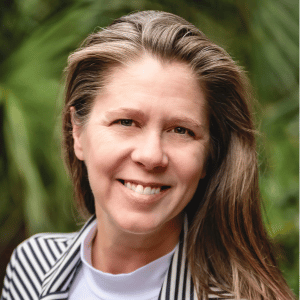 Nikki brings a wealth of experience to The Wilmington Conservative. Her lifelong involvement in the community gives her a great perspective on both politics and culture. She takes these things seriously - but never TOO seriously. She grew up in New Hanover County Schools, raised two adult children in New Hanover County Schools, and has two children currently in New Hanover County Schools, and I work in New Hanover County Schools. She is actively involved in Surfer's Healing and can be seen all about New Hanover.
 Reuel Sample is the Editor-in-Chief of The Wilmington Standard. A graduate of Grove City College and Princeton Theological Seminary, he has served as both a Presbyterian Pastor and a Navy Chaplain. He is the product of a classical liberal arts education combined with real world experience in politics and business and conservative Christian worldview firmly rooted in the Reformed tradition. He is the host of several podcasts including the NHC GOP Podcast, the Pastor's Voice, and co-hosts the Nikki and Reuel Podcast Experience. An avid sailor, he has sailed around the world as a youth and to the Azores as a teen as well as extensive trips up and down the east coast of the United States. He is honored to be married to his wife Pam and makes his home in Wilmington, NC.
Opinion Articles

The Nehemiah Way
America: Reflections of a Grateful Immigrant on America's 250th Anniversary