
Fear, Power and Data
Why We Need Data Centers
Daily Update · August 6, 2026
Listen
Like and Subscribe


Show Notes
Episode summary:
In this Daily Update, we look at how fear has shaped American energy policy and why the same panic is now targeting data centers. We walk through the lesson of Three Mile Island, the ongoing refusal to expand nuclear power, and the hard reality that our demand for electricity is exploding. Then we connect that to the growing backlash against data centers, even as they power everything from everyday navigation to national defense. In a clear, conservative, but practical way, we argue that if we let fear drive policy on data centers, we put our economy, our security, and our communities at risk.
What you’ll learn / Key moments
00:01 – Why data center policy can’t be driven by fear
00:11 – Three Mile Island, nuclear safety, and what actually happened
00:35 – How fear and regulation are choking America’s nuclear power supply
01:09 – The rise of data centers, AI, and why we depend on them every day
02:13 – Data centers as a critical part of national security, school safety, and border protection
What you can do
If we care about reliable power, safe communities, and a strong national defense, we can’t afford to let data center policy be driven by fear and slogans. Stay informed about local debates over data centers, ask real questions about power, water, and security instead of just saying “not in my backyard,” and push elected officials to support responsible growth in both nuclear energy and data infrastructure. Share this episode with friends and neighbors, subscribe to the podcast, and help us build a grounded, conservative conversation about the future of power and data in America.
Transcript
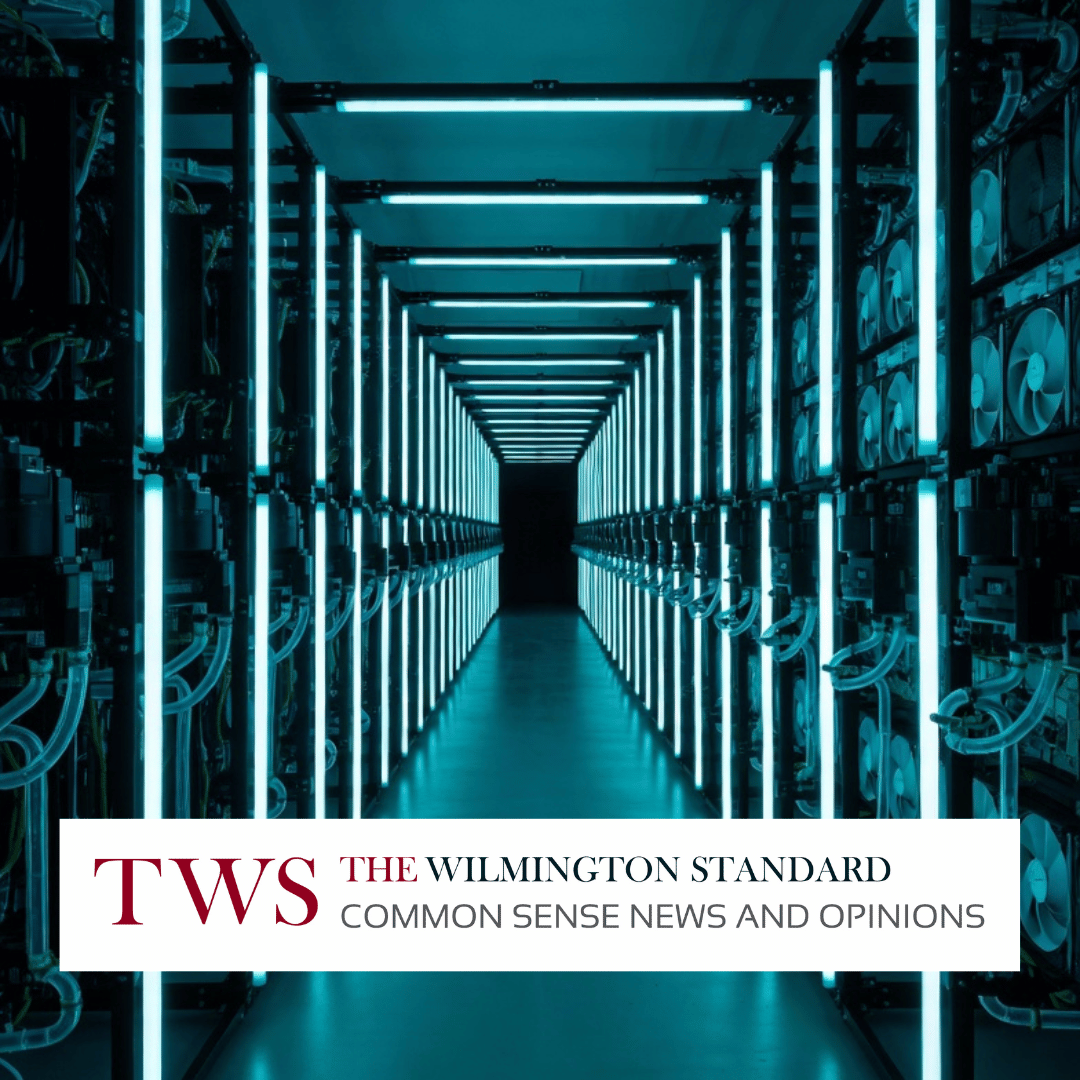
We must not let our data center policies be dictated by fear.
This is the Wilmington Standard Daily Update for Thursday, August 6, 2026.
At 4 am on March 28, 1979, a series of events occurred at the Three Mile Island Nuclear Plant in Pennsylvania that led to a partial core meltdown. After five days, the area was deemed safe – principally because the plant’s safety systems actually worked and prevented a larger disaster.
Yet the fallout – pun very much intended – has continued to this day. While about 20% of our nation’s power presently comes from nuclear energy, that percentage is estimated to actually DECREASE as our nation’s nuclear power plants age out and highly restrictive and expensive policies prohibit the building of new ones. Yet our electrical power requirements continue to increase, with some estimates claiming a 25% increase in need by 2030 alone. The only real answer is more nuclear – but our fear stops us – and threatens our nation’s power supply.
We now face the same fears with the issue of data centers. On one hand, we realize that there is no putting the technological genie back in the bottle. We rely on data – and the quick access and sorting of that data – from everything to finding our way around town to managing our infrastructure to discovering the cure for cancer. Artificial Intelligence – AI – which we all hear about is merely the front facing engine that helps us retrieve, sort, and properly use this data to increase our productivity, get us where we need to go, and help us go about our daily lives. Data centers get all this stuff done.
But we don’t want them in our back yards – which was the same shout that we heard in 1979 about the building of nuclear power plants.
Just like any technology, today’s version of data centers are much less efficient than the ones of tomorrow will be. They do use a lot of power, a lot of water for cooling, and produce a lot of noise because of that cooling. Tomorrow’s data centers will use different cooling methods – Elon Musk is even considering space-based platforms. They will be quieter – or at least less intrusive.
But data centers are critical to our country. They are not just places that create realistic memes to post on social media – ironically memes that show we should not have data centers – or produce essays that allow students to cheat on exams. American data centers are the first and best line of defense against enemies who cannot beat us on the battle ground but can cripple us in the technological realm. Data centers keep our kids safe in schools by detecting weapons and predicting actions, and they keep our borders secure by monitoring in ways that no human would be able to sustain.
We need data centers. We need more of them. While some pauses may be needed to properly build them – and find ways to power them – we cannot shy away from them or wait too long to build them.
We do so at our own peril.
For the Wilmington Standard, I’m Reuel Sample. Thanks for listening.
About Reuel Sample
 Reuel Sample is the Editor-in-Chief of The Wilmington Standard. A graduate of Grove City College and Princeton Theological Seminary, he has served as both a Presbyterian Pastor and a Navy Chaplain. He is the product of a classical liberal arts education combined with real world experience in politics and business and conservative Christian worldview firmly rooted in the Reformed tradition. He is the host of several podcasts including the NHC GOP Podcast, the Pastor's Voice, and co-hosts the Nikki and Reuel Podcast Experience. An avid sailor, he has sailed around the world as a youth and to the Azores as a teen as well as extensive trips up and down the east coast of the United States. He is honored to be married to his wife Pam and makes his home in Wilmington, NC.
Your Support Helps!
Opinion Articles

100,000 Cameras and Counting
Free Speech, If We Can Keep It