Episode 4: Empowering Youth: The Boys and Girls Club With Dawn-Michele Blalock
January 8, 2025
Watch on YouTube
Listen on Buzzsprout
Like and Subscribe



 In this episode of the Nikki and Reuel podcast, hosts Nikki Bascome and Reuel Sample welcome Dawn-Michelle Blalock from the Boys and Girls Club of Southeastern North Carolina. They discuss the mission and vision of the club, the merging of two organizations to better serve the community, and the importance of mentorship and staff dynamics. Dawn shares insights on engaging teens, the challenges faced by today's youth, and the club's commitment to affordable programs. The conversation also touches on mental health issues post-COVID and the joy found in working with children. In this engaging conversation, Dawn-Michele Blalock, CEO of the Boys and Girls Club, shares her journey from a nursing background to leading a youth development organization. She discusses the joys and challenges of working with children, the importance of community involvement, and the upcoming Blue Door Gala, a key fundraising event. Dawn emphasizes the need for volunteers and the impact of mentorship on youth, highlighting the organization's commitment to providing a supportive environment for children. The conversation concludes with a call to action for community members to get involved and support youth development initiatives.
Check out their website at: https://bgcsenc.org/
Interested in the 2025 Blue Door Gala? Buy your ticket here: https://bgcsenc.org/event/gala25/Takeaways
- The Boys and Girls Club provides a safe environment for youth.
- Dawn Michelle Blalock has been with the club for 19 months.
- The club serves about 2,200 kids across five counties.
- 50% of the kids come from single-parent families.
- 98% of kids in the program graduate on time with a plan.
- The club has implemented a social worker program for mental health support.
- Engaging teens post-COVID has been a challenge.
- The club offers affordable programs to ensure all kids can participate.
- Dawn emphasizes the importance of supporting parents as well.
- The unpredictability of kids brings joy to Dawn's work. Teachable moments with kids can be both funny and poignant.
- Working with children brings joy and challenges.
- Dawn-Michele transitioned from nursing to youth development unexpectedly.
- The Blue Door Gala is a key fundraising event for the organization.
- Safety and background checks are paramount for volunteers.
- Volunteers bring diverse experiences that benefit the kids.
- The organization aims to provide a holistic approach to youth development.
- Community involvement is crucial for the success of youth programs.
- Every contribution, whether time or money, makes a difference.
- Building relationships with kids is essential for their growth.
Sound Bites
- "98% graduate on time with a plan."
- "You don't ever ask a woman her age."
- "They're funny, they're cute."
- "I will keep it forever."
- "This is really our premier event."
- "Safety is super important."
Reuel Sample: Welcome. Welcome to the Nikki and Reuel podcast experience. I'm Reuel Sample joined, as always by Nikki Bascome. Good evening Nikki and happy new year.
Nikki Bascome: Happy new year Reuel. It's going to be a good one. It's another good one.
Reuel Sample: It's a you know what? I have been thinking that, uh, at the beginning of our podcast, I'm going to wear a white suit, like in Fantasy Island and start saying, welcome to the podcast experience. I'm not a white one, not a white one. But, uh. Well, welcome everyone to, uh, season two of the Nikki and Reuel Podcast Experience. Glad to have you on board. We're going to be talking to someone very special in our community today, uh, who is working extraordinarily hard with a section of our community that often goes unnoticed. Go ahead. Nikki.
Nikki Bascome: So I've had we've gone way back a whole 4 or 5 minutes. But I can tell you right now, I. I have enjoyed talking with miss Dawn-Michelle Blalock with the Brigade Boys and Girls Club and the Community Boys and Girls Club. Welcome, Dawn-Michele, thank you so much for joining us tonight.
Dawn-Michele Blalock: Thank you, Nikki and Reuel appreciate being here.
Reuel Sample: It's your last chance. You can run away now. Uh, please.
Dawn-Michele Blalock: Now forever or hold your peace.
Reuel Sample: Dawn-Michele, you have been with the Boys and Girls Club here in southeastern North Carolina for how long?
Dawn-Michele Blalock: About 19 months now.
Reuel Sample: 19 months? Yeah. And folks, as we go into the podcast, you're going to see that she has done a heck of a lot in those 19 months. But I wanted to share something with everybody, uh, as we were getting to know her a little bit and sending out bios and everything else, she sent this picture and she said, there is a story behind this picture, so I'm putting that up there. It's a picture of her, uh, a child waving the peace sign and a dog. Dawn-Michele, what's going on with that picture? You said there's a story there.
Dawn-Michele Blalock: So one of the things that we're focusing on, with the academic support that we provide at the Boys and Girls Club of Southeastern North Carolina, is literacy coaching. So we had an idea. Bruin is my dog. His name is Sir Bruin, the Bat Pig on Instagram. He's he's got about 6000 followers. He's very popular. He's the mayor of our neighborhood. Yeah. He's a he's a celebrity in his own right. But I bring him to the club on occasion and he's a Frenchie, so he makes a lot of noise when he's just breathing and trying to survive. And so he has started Bruin's Book Club, and it is a chance for him to come to the club. And the kids, mostly our younger kids, um, come into our library and they circle around him. There's lots of treats and they read to him, and so each of them get an opportunity to read to him, and he loves it and they love it. And so he has his own little volunteer name badge. And he struts around the club like he's just one of the other members. So, um, he's kind of our our unintended mascot, but but it's specifically to help the kids read. So he's he's now started his own book club.
Reuel Sample: The only downside of that is that I am slightly saddened to find out that a dog has much more followers than I do, uh.
Dawn-Michele Blalock: More followers than I do.
Reuel Sample: Other than that, uh, so you are at the Boys and Girls Club. What exactly is the Boys and Girls Club? Let's start off with what do you what is your general mission there at the Boys and Girls Club of Southeastern North Carolina?
Dawn-Michele Blalock: So, you know, our our our our piece in the industry is in, in youth development. And so what we're trying to do is to provide a very safe place and environment for young children to, especially those that need us most to come to the club to be to be mentored and supported so they can become productive, caring, responsible citizens in our community. We serve kids from kindergarten through 12th grade. Wow. And, um, most of what we do is we're providing academic support, character and leadership development, sports and recreation, of course, access to the arts, STEM, music, um, you name it. You know, we've we've got programing that's that salon to it so that we can provide that for the kids that we serve. Our kids are members, so they have responsibilities. When they come into club, it's their club. Um, it is specifically for the kids. We the, the adults cannot come in to the building without being asked or invited into because it's their space. Um, we have very strict safety rules about that as well. So it's a it's a place for them to come. And it's their space. It's their spot. Um, they can be a kid and they can be mentored and supported and hopefully be very successful in life from the relationships that they build within the club.
Reuel Sample: We, we talk about about the Boys and Girls Club as one club. But those two clubs have not historically been one organization. They they have they have been two fairly successful organizations, at least here in this area. But you folks united not too long ago.
Dawn-Michele Blalock: January 1st, 2023, we became one big club. And so, um, the Brigade Boys and Girls Club, um, has been around Wilmington for about 126 years. I started out as the Boys Club. Um, the Community Boys and Girls Club is about 65 years old. Um, Onslow County merged with Brigade I think, back in 2015, which opened up a bigger footprint for us to serve. And then since then, we've added three more counties. Six, seven, eight more sites. We're at 2021 sites right now across five counties.
Reuel Sample: Wow.
Nikki Bascome: Wow. That is absolutely amazing. Now I'm going to throw a question at you that you might not be able to answer. But within those five counties, do you know about how many children you're able to provide services for. Or is it.
Dawn-Michele Blalock: Like, yeah, we're serving about 2200 kids across the region. So and we'd like to grow some more, but we're going to we're going to catch up with what we've, we've done in the in the past 18 months. Um, you know, there's other counties that do not have Boys and Girls Clubs, and we have that in our strategic plan. I wrote a strategic plan to add those counties in within the time frame. And so we will get to other counties that are underserved with our services eventually and really fill out that whole southeastern region of North Carolina with Boys and Girls Clubs.
Nikki Bascome: Another question, um, that I have is you were talking about the mentorship and the services that you provide to these children. Now, um, are these who are your mentors? Are they your staff members? Are they volunteers? Um, how do you find how do you find these wonderful people that are giving of their hearts to help these children.
Dawn-Michele Blalock: Most of our staff, we have about 130 staff, full time and part time, mostly part time, um, that come and are the what we call them youth development professionals. Those are the the people that are, um, the mentors to our children. We have volunteers as well that come in from different partnerships, from different industries, um, different boards, different people in the community that that have an interest in, in helping with our mission. So, um, but we do have full and part time staff that are there every day. Um, we provide services for after school. So for the nine months that kids are in school, um, we pick the kids up in New Hanover County. Um, we have our own busses, and so we pick them up from school and bring them to their campus, whichever one that is. Um, and then for the other site locations across the other counties. Those are all school based programs. So the kids come to the cafeteria after the school bell rings, and then we start programing and kind of split out from there. And so all of those locations have their own staff. We have very tenured staff. We have I've got some employees that have been here 25 years, um, some 2017. I mean, it's they they are committed to these children. They build relationships with them. Um, we have tons of stories about kids that come back and they come back and sometimes they're employed by us again as a as a worker. Um, sometimes they're they're just back to tell us, you know, how successful they've been. And they can name every person that mentored them along the way.
Reuel Sample: They can name every person that's mentored them along the way. Yeah.
Nikki Bascome: It's amazing.
Reuel Sample: How many of your children come from broken families or in positions where there is no adult mentorship or adult leadership.
Dawn-Michele Blalock: So 50% of our kids are from one parent family or one provider family. Sometimes that's not a parent. That may be a grandparent. It may be another caregiver or an aunt or an uncle. Um, so, you know, half of our kids are are not coming from that type of nuclear family that maybe we enjoyed growing up as kids. And so, um, those come with challenges sometimes. Um, you know, as much as we support the kids, we want to support the parents, too. And so we're trying now to figure out, um, more wraparound services for the parents that we know, if we can keep the kids moving and, and, and healthy and mentally healthy and growing and thriving. Um, if the parents aren't quite there, then we, we feel obligated to, to help them as a unit. So, um, you know, our focus is the children, but you have to focus on their families too, and what they've got going on.
Reuel Sample: Or just like an education. And Nikki can probably talk more about this, is that if you don't have parental buy in, it's really tough to make any kind of progress with the children.
Dawn-Michele Blalock: It is. It is. It is. And we see varying degrees of that. We've got we've got we're we're fortunate. We have pretty active parents. And a lot of the kids have been with us, you know, for quite some time. They start in kindergarten and they stay with us until they graduate. And, you know, we enjoy a 98% graduate on time with the plan for those children that have been in our programs like that. Okay.
Reuel Sample: We went through that real quickly. 98% graduate, 98% graduate from school with a plan.
Dawn-Michele Blalock: Yep. On time with a plan.
Nikki Bascome: Amazing. That is absolutely amazing.
Dawn-Michele Blalock: So we get report cards. It's part of our programing for our academic support. Um, we have 30 different types of evidence based programs that we get from Bgca America. So we're a federated club, meaning that we, you know, we pay membership dues to BGCA America. And for that we get the programing, we get marketing, we get training for our staff, for our board. We have probably one of the most trained boards I've ever seen, um, you know, so there's a lot of requirements. Yeah, there's a lot of requirements everywhere.
Nikki Bascome: Everywhere. Schools need a good trained board.
Dawn-Michele Blalock: We've got a great board. They're very active, engaged, um, very supportive. Um, they've just been phenomenal to support me in my transition here. So. But, you know, out of those 30 programs, um, you know, we've just we've got a lot of support there, and we don't have to figure it out. It's already evidence based. It's very turnkey. So we get all that from BGCA and then we get to operate as we choose. So they don't tell us how to operate the club, you know, within the parameters of what our membership requirements are. But outside of that, we get to we get to do it the way that we feel is best for the communities that we're in.
Reuel Sample: This is really fascinating.
Nikki Bascome: You're doing a great job. Okay. I'm going to talk over Reuel for one second.
Reuel Sample: As always.
Nikki Bascome: Just because we need some fun stuff too.
Reuel Sample: Oh, jeez. It's it's a new year. It's a new year. But the same old stuff, folks.
Nikki Bascome: It's the same. You're stuck with me. Sorry. Um. Dawn-Michele, how how do the children. How are the children chosen for your program? Is there an application process? Are they identified in some way? How? How do the children get involved? They really.
Dawn-Michele Blalock: They really choose us. Um, so we've been here for so long. I think a lot of people know kind of a little bit about the Boys and Girls Club, but, um, we're very active in the community. So, you know, our visibility in the community is important and we always need to be aware of that because we're always trying to recruit more children to come into our programing and especially teens. You know, we've been doing a really, um, intentional job of finding the teens where they are and trying to get them to come back into clubs since Covid. So, you know, when Covid hit, everybody scattered. Um, as did the teens. And so now we're trying to pull them back in. And so we have a very intentional recruitment program around teens. And we have specific staff and leaders in our organization that are tasked with going out there and finding the teens where they hang out, where they're in school, where they play sports. You know, we show up at sporting events for kids that aren't even our members. So, um, just to show them that, you know, we're here, we support you. We'd like you to come in and be a member because we think what we have is, uh, is really good and can help support these kids through a lot of different challenges that they're seeing right now.
Reuel Sample: Is it tough to get the teenagers out of their cell phones? Is it tough to get them?
Dawn-Michele Blalock: It's like an appendage. It's a new appendage to the end of their arm. You know, we we can't we can't take the phones away. You know, I would love to get rid of them because I think they're they can be very useful. And we do use them appropriately to get the kids engaged. Sometimes there's a lot of things we can do with technology in the phones. Um, but, you know, they don't. They forgot how to talk to each other because they talk through screens. And so when they're trying to navigate difficult conversations, they don't have the skill set sometimes to be able to navigate that appropriately because they're keyboard warriors, you know, they can get behind a keyboard and do this. And, you know, they're the TikTok generation, everything, you know, finding their attention. I've got to send them a TikTok. Sometimes we we we.
Reuel Sample: Have this when they're five feet away from.
Dawn-Michele Blalock: You. Exactly. You know, we have this motto. We'll do whatever it takes. You know, and I say anything short of sin to get the kids attention. Um, and so that's, you know, it has been a challenge, but we're finding ways to utilize the cell phones and the tech appropriately. Um, by engaging it with as a tool with our programing. So, for example, we do, um, workforce development for our teens. It's another way that we recruit teens in as we bring them in and get them introduced to what's out there. Um, after high school, some of our kids are going to go straight to the workforce. So if they do, we want them to have as much opportunity to see what's out there. Um, so we're always looking for partnerships to be able to do that with different industry leaders out in the community. But through that, we were able to receive a grant for a technology, The virtual reality technology. So it's called transfer VR. And so the kids can, through the VR system can navigate through different types of jobs. It's like being oriented and being an intern for a job. They can see thousands of different types of jobs out there. They can engage in kind of what that is. So we've got one kid, uh, teenager on there right now. He's very interested in in gaming. So he's learning how to build out gaming systems through the transfer of VR. And so you see them with the VR on his face and he's walking around and doing. Yeah. And he's learning a skill you know. So we we like I said we try to to be creative about those types of tech things that we know the kids love. They love STEM. Um, anything to do with, with with the STEM environment. So we have a, a lot of partnerships with people that come in and help us. Volunteers. You asked about, um, Thermo Fisher Scientific, um, you know, those types of Duke energy, those types of relationships where they come in and partner with us and help us engage the kids in a different way.
Reuel Sample: Nikki, have you looked at their website? I'm going to tell you, my bias is when I think boys clubs or girls clubs, I think of this, this gymnasium someplace where people where these kids go after school and they play basketball or ping pong until their parents come and pick them up. And I'm sure that's what a lot of people still think of. But if you look at their website under what we do, you've got education, sports and recreation, health and wellness, workforce readiness, the arts, character and leadership. You're the whole package that's going on for these kids. After is it after school or do you go summer as well?
Dawn-Michele Blalock: We do summers as well. So after school, while they're in school, and then we have a training week in between, and then we go into summer camp. And so, uh, summer camp, we may have 300 kids in the youth center, and it's just.
Nikki Bascome: That's crazy.
Dawn-Michele Blalock: Hang on, you know, but it's fun and it's, you know, we do field trips in the summer. We have the pool, um, over at the brigade campus, uh, the community campus gets to come over and use that. We also serve at Houston more in the housing Authority. So we have a a club site there. And so we're constantly keeping these kids moving. Um, throughout the summer, we have two sessions in the summer, so we do a four week and then a five week session through the summer before they go back to school. Um, but yeah, we serve, you know, our, our payroll goes up about 300% in the summer. So it's you can imagine how many kids we're serving in the summer. And it's, you know, it's because we do have that, I think well-roundedness and because we have the kids during after school. A lot of them, when they transition over to summer, were able to keep them in literacy coaching. We're able to keep that programing going. You know, the more time we have with them and the more consistency we have with them, then the better outcomes we can see. So, um, you.
Nikki Bascome: Think all those skills sharp.
Dawn-Michele Blalock: We're trying.
Nikki Bascome: Now I have another another question for you talking about, um, when I think of summer school, I have young children and I'm like, oh, what is this going to cost me for the year? So if a family wanted to come to the Boys and Girls Club, how much would it cost for summer school or after school program? Is there a cost involved?
Dawn-Michele Blalock: There is. We do charge fees, although we don't turn kids away. If families can't pay, we'll figure out a scholarship or some way in funding to be able to keep that kid in the club. Um, because we know it's a it's a better environment to keep them in and to send them home after school without any kind of support. I was a latchkey kid. I know what that was like. So, um. And nowadays, just with our society the way it is, it's just it's just too, um, it's not safe to do that anymore. So, um, it's $75 a month for after school, and then summer camp is, it's 250 a session, so it ends up being about 60 some odd dollars a week. Um, and we do require them to, to come for the whole session so that I can staff it appropriately. Um, that's one of our membership requirements. We have ratios. We have to have a certain ratio of staff to, to to members to, to children, um, for safety reasons. So, um, you know, up in Pender County when we, when we opened up our sites up here, um, and we were, we were engaging right now in a conversation about providing summer camp up here for the first time, um, in, in Pender.
Dawn-Michele Blalock: And, you know, there are other summer programs out there that are charging 250 a week. So you know what we're charging for the whole session, which is four weeks or five weeks, whichever session they're in. Um, you know, a lot of our kids can't afford those other programs, and there's no reason why they should not have the same opportunities, um, as, as other kids are getting during the summer. And, and we're here to do that. So and we want to make it affordable for parents to be able to come in and not have that burden of having to figure out where they're going to keep their kid and where they're how they're going to pay for it. Um, you know, we're very fortunate to have a lot of funding partners in the communities that we serve. Um, and, you know, because of that, we're able to keep cost down and keep them lower so that we can make sure that kids can stay in club. I'm not ever going to turn a kid away. Just not going to happen.
Reuel Sample: What is the biggest challenge that these kids are facing today? I, I'm a I'm a Gen X as as well. And, uh, you know, our biggest challenge was making sure that we don't get blown up by the Russians before we get before we graduate. And and we succeeded. Uh, but, uh, the, the challenges today that kids are facing. I wouldn't want to be a teenager today. I it's a tough world. Uh, what are they facing and how are they dealing with it?
Dawn-Michele Blalock: So what we're seeing post Covid is that the mental health of our children is not well. Um, they they face those communication challenges. You know, they were isolated for three years, and they they've forgotten how to talk to each other. Um, they're coming with a lot of just challenges from home. And, um, you know, we've got we've got kids that are in the foster system and, you know, they come with those challenges. But we're seeing so many different challenges with these kids now that we actually implemented, um, a social worker program. So we it's called SOS. It's, um, social emotional wellness. Um, and we have certified social workers that are actually engaging with our kids so that we can keep them in club. Um, because we do suspend for behaviors. If they're bad behaviors, they have rules. And so, you know, there are consequences. And we try to we try to keep the kids in the club and not go down that road. And so, um, but the behaviors have been really increasingly worse since Covid. And I think a lot of it is just due to the isolation that they've had and just trying to, you know, reintegrate into, um, you know, their normal routines and things like that.
Dawn-Michele Blalock: And some of them are just coming from very challenging family backgrounds, you know, different situations like that, and we have to be prepared to help all children. So, you know, we see a lot more children that are on the spectrum. And, you know, we're dealing with different behaviors that come from kids being on the spectrum. So, um, you know, those are things that we're constantly training and retraining our staff to, to learn and to understand. What are those red flags? You know, when when a kid starts behaving, uh, when they, you know, differently than they were before? That's normally a sign that we need to dig in a little deeper and and really come alongside that child and figure out how we can support them and help them. And hopefully through that mentoring type environment, they feel comfortable enough to to bring those challenges to us so that we can help find resources for them.
Reuel Sample: I like the idea of suspending Nicki from the podcast. I will take that under advisement. But it is January 7th, 2025. Are we? You're saying we are still dealing with Covid fallout in terms of the mental health of our children?
Dawn-Michele Blalock: Yeah. Yeah. My daughter was in high school during Covid, so we went through Florence and she was out for four months, you know, after Florence. And then Covid came in. And so her senior year was really the only semi-normal year that she had. Um, and, you know, that's just one child. And, and she had resources. So, you know, think about that, the magnitude of kids that were coming from that type of environment that maybe didn't have somebody supporting them with their homework at home because mom is, you know, working two jobs to try to keep things together. So, you know, it's there are real burdens out there for some of the families that we have in our communities. And so the kids are coming from those from those families and those environments. And so we're trying to be a good steward of the resources we have, both for the kids and for the parents. You know, like I said, we're trying to we're trying to figure out what wraparound things we can provide for parents. Um, because, you know, I don't ever want to burden a parent. And hopefully we are we are, uh, a way to decrease some of those burdens and that they know that their child is in a safe environment and that they're getting the whole aspect of everything that we can offer through our programing. Mm.
Reuel Sample: You are. Go ahead. Nikki. Sorry. Go ahead. Nikki.
Nikki Bascome: Oh, he apologized to me. Can someone please record that?
Reuel Sample: A it's a new year. And it's. I thought I'd get it out of the way early.
Dawn-Michele Blalock: New year, new me.
Nikki Bascome: Oh, gosh. So, Dawn-Michele, it sounds like your job is super difficult. I could not imagine trying to do so many services for so many children and so many families. Um, but I know you and I talked about it. You do find a way to have fun and and tell us a little bit about the fun part of your job. What what do you find? Something that just gets you going, makes you come into work every single day?
Dawn-Michele Blalock: Yeah. I love the kids. And I love the unpredictability of the kids. Um, yes. You were asking me about funny stories, and I was over at the community campus one day, and they, we we partner with the Wilmington Police Department and do what's called POW Hoops, um, which is the Police Athletic League.
Nikki Bascome: And so they tell us about that. I did see that on your.
Dawn-Michele Blalock: Yeah. So the police officers are the coaches for our kids. And so we do the younger ages, the youth, and then we do a teen, um pal league as well. And so the campuses play each other and there's a big championship at the end of the season. And it's a there's a huge trophy. It's a big deal. So we just had the youth championship over at the community campus a couple of weeks ago. But back in the summer, um, there was a kid there. He was probably 10 or 11 years old, and he would always try to pick on me when I would come in and I'd pick back on him, you know? And so he came up to me one day and he says, Miss D-M, I got to ask you a question. And I said, okay. And he goes, it's a little it's a little sensitive. I said, okay, lay it on me. What is it? He says, are you going to have a baby? And I went, what? I did have on a blousy dress that day, but. I said, I said, no, son, that that ship has sailed. So. They were at basketball practice, and he ran off and just went, you know, to his his basketball practice. And that was the end of that. He just thought it was just the most natural thing or whatever. And you know, you never ask a woman that. So, um, I tried to explain that to him. You know, that's not you don't ever ask a woman her age and don't ever ask her if she's pregnant. So, um, but, you know, teachable moments.
Nikki Bascome: Teachable moments. That's all.
Dawn-Michele Blalock: The kids. That's every day. You just you don't know what they're going to say. And a lot of times it's funny and it's it's poignant and sometimes it's not. And, you know, you have to deal with those emotions as well. But I like being around them. You know, I didn't I worked with children, some in healthcare, um, in my past career. But this is really, um, the first time where I've had all of these kids and and they're great. I mean, they're funny. They're cute. The boy that's in the picture that you were showing earlier, um, uh, that's Dave, he's he's one of my favorites. That that picture is actually up in our office right outside my office door. Um, that was during a Bruins book clubs. So Xavier plays basketball, and he he busted his lip one day and he knew, you know, my background was in nursing and healthcare. So he comes running to me. He's like, am I going to die? And I'm like, no, you're going to be just fine. Oh my goodness. You know, it's it's um, and they're just, you know, they're great. Their kids some days are, you know, better than others and some days they need a little more attention and mentoring than others. But, um, but, you know, they make friends and they have these friend groups, and, and they're growing up together and they're able to, you know, build relationships with other children that are similar backgrounds and, you know, can can understand some of the challenges that they have because they're going through them, too.
Dawn-Michele Blalock: But I just, you know, it's fun. It's playground, basketball court, whatever. They're in the VR thing. We put that on one day and, you know, Miss DMs just running around looking all crazy. But, um, you know, it's just it's a lot of fun. We do. We try to do a lot of fun things with them, and we try to keep things. We try to keep a variety of a lot of different things because they get they can get bored easily. So we're always switching things up and and trying new things. And so, you know, one of the things in the future is we'd like to get to more league play with other types of sports. So we're starting to put the bones of some plans together on what that might look like. And having different sports other than basketball or or, you know, looking at soccer, baseball, flag football, lacrosse, um, you know, golf. We have a we have a first tee program. So we've got kids that are that are going and learning how to play golf. So we have a tennis the one love tennis program that we do. Where they go in there, they're playing tennis and they're learning tennis.
Reuel Sample: You know what I love from this conversation? What I love from this conversation is, as you're talking about the organization of Boys and Girls Club, is that you're very serious because you are the you are the CEO and you've got an organization to run. But then when we get to Nikki's question is, tell us about the kids. Your face just lights up. You could you could tell that you love what you do. And that's great.
Nikki Bascome: And I was going to piggyback on that question. Um, you said you're from a nursing background. So two part question, one from a nursing background. Did you ever see yourself getting into a field like this? And number two, you said your mother was in the education field for, what, 30, 35 years? Did she see you going into something like this? This is a big deal.
Dawn-Michele Blalock: Yeah. So, um, I spent 30 years in healthcare. I spent ten of that clinically as an RN.
Nikki Bascome: Wow.
Dawn-Michele Blalock: I still have my license. I'm not ever giving that thing away. I keep it because it's too hard to get. Um, and then I got on the business side of healthcare. And so I've been running organizations and doing everything from the the CEO role to strategy to operations and all that, and really a lot of for profit, not as much nonprofit. So that was a little bit of an adjustment. I've started some foundations before, but never, you know, I would, I would, I would do the startup and then hand it over to somebody that actually knew what they were doing. So and it would be very successful because somebody else was running it. So, um, and I thought when I came here, I said to myself, you know, I'm going to retire from 30 years of this career. I'm going to do something different. I was not expecting it to be this.
Nikki Bascome: Oh my gosh.
Dawn-Michele Blalock: I got a call from a recruiter one day and said, have you ever thought about running a boys and Girls club. I said, absolutely not. What the heck is that? Like big brothers. Big sisters? What? You know, I didn't even know. And so, you know, I have a pretty strong faith life. And I just said, you know what? I'm. I'm just going to do this. And if it's meant to be, then I'll keep walking it out. So here I ended up and, um. And I've enjoyed every minute of it. But no, I did not see myself going into, uh, youth development or or, you know, supportive type education programs for kids. Um, but my, my mother taught, you know, kindergarten, first grade, you know, for a long, long time. And like I told Nikki earlier, it explained a lot about why my brother and I were raised the way that we were. But I'm finding that I'm finding all of those things, um, that I saw with her growing up in my elementary school. You know, those things are still the same. You know, those the kids are they still navigate toward that one teacher, that one mentor, that one step that we have, you know, and and they still engage kind of the same way. But I thought I was going to walk away from all the social determinants of health and population health and all that kind of stuff. And I'll tell you, I deal with that probably more today than I ever have, because we're dealing with those things with the kids and their families. So that's that's been a good core fundamental that I've carried into this role that I did not expect.
Reuel Sample: I want to talk about your Blue Door Gala or Gala.
Dawn-Michele Blalock: Gala that's in the South. It's gala.
Reuel Sample: It's it's the South. It's gala. Okay. Um, my my wife will be giving me another lesson. Uh, so it's, uh, it's March 6th at 6 p.m.. Tell us about the Blue Door Gala.
Dawn-Michele Blalock: So the gala is our premier fundraiser for the year. Mhm. Um, as you can expect, we're a nonprofit 501 C3. Every dollar that comes in is coming through funding and philanthropy. Um, so this is really our premiere event where, um, we have a lot of support from the community that come for a fun night. Um, it's a it's a black tie event or whatever your version of black tie is. We're not going to turn you away. Um, but we, you know, there's music, there's dancing, there's food, there's entertainment. The kids come over usually and do a dance routine or something that they've learned for the gala. You know, I give kind of a state of the Union update to the community on all the great things that we've been working on. And we celebrate. We celebrate all the great things that we've done in the past year. So this will be my third since I've been here. Um, when I came in May of 23, I had been here for five days and the next week was the gala. So, um, I had to find a dress and figure out what I was going to say, and I hadn't even met everybody yet. I hadn't met the most of the board yet, you know, and it was just. But you just kind of you just kind of slide in and and take it in stride. And I got to meet a lot of great people and a lot of great supporters. And so it was a really good entree for me to see all these hundreds of people come together for a night to, to celebrate all the great work that we're doing. So, um, so this will be number three for me and I'm so looking forward to it. It's a really fun night and I hope you guys will join us.
Reuel Sample: So let the record show and the recording show that she said gala twice.
Dawn-Michele Blalock: I did say it once, just for your benefit.
Dawn-Michele Blalock: We're equal opportunity here.
Nikki Bascome: I don't want to offend anyone. So, um, how does someone get a ticket to the Gala because I'm a southern girl. How does someone get a ticket?
Dawn-Michele Blalock: You can go to our website. Um. Social media. We have it just about everywhere you can think of. Um, you can get a ticket. You can get a table. Even better, you can, uh, if you want to sponsor, we'll put your name out there and give you all the marketing support we can. So, um, but you can, you know, reach me on the website. It's posted on our website. It's really easy to engage there and get more information and and get registered to come RSVP.
Nikki Bascome: Now, if someone wants to get involved, um, volunteering or just every day, um, because I find myself gravitating towards you more and more every minute that we talk.
Reuel Sample: Run, Dawn-Michele, run!
Nikki Bascome: You just hush your mouth.
Reuel Sample: Run quickly. Run now.
Speaker5: I feel like a ping pong ball between you two right now.
Nikki Bascome: Dear Lord. So if someone in the community just wants to get involved, wants to to volunteer, I'm assuming that there's some sort of protocol that volunteers have to have to follow, but how do they get involved?
Dawn-Michele Blalock: So go to the website bgcsenc.org and there's actually a tab there for Get Involved and you can find out how to get in touch with one of our staff people who actually work with the volunteer program. So but safety is is super important. It's the it's the number one thing that we have to engage with especially nowadays. Everybody has to be background checked. If you're spending any amount of time with our kids on a regular basis, you have to have a nationwide background check and you have to have a sexual registered offender check. So those are paramount. Without that, you can't come in the building, so you can't be around the kids.
Reuel Sample: Right?
Dawn-Michele Blalock: That's the main thing. And just to have a love for the kids, you know, we volunteers, they come in all all different packages and they all bring something to the table that that our kids need, whether that's experience from what they do for their work life or, um, you know, we have adopted grandparents that are part of our volunteers, that they come in every day and they're there to support the kids like a grandparent would. Um, they're kind of our older generation that, that are there every day. Um, they do tutoring with our kids. We have lots of volunteer tutors, especially in the summer. We usually get a good contingent of teachers that are out for the summer. And, you know, they're bored. I don't know why, but, you know, they need something to do. So they come see us. And if you're a teacher out there, please call me. Um, we got lots to do. And, you know, most of our kids are about 2 to 3 years behind in reading and math. And so through our literacy coaching, we are actually seeing kids starting to read at grade level. That's because of volunteers. That's because of a platform we're using and the volunteers that come in and and Bruin Blaylock, who comes and does his book club, it takes it takes everything. It takes everything we've got to, to, to put in there for these kids. And then we see the impact and we see the outcomes and it's just great.
Reuel Sample: That's the dog with six times my followers.
Dawn-Michele Blalock: You're jealous. Okay.
Nikki Bascome: If you watch the podcast, people might understand.
Reuel Sample: That's right. So, Dawn-Michele. Go ahead. Nikki
Nikki Bascome: No, go ahead, Reuel. You. You gave me the last one. I'll let you have this one.
Reuel Sample: Uh, okay. Well, it's, uh, as you look at the year ahead, what are your what are your goals, uh, as you go into 2025?
Dawn-Michele Blalock: Well, we grew really fast, so we're going to settle into some of that. We're going to focus on organic growth and not just new growth. So we're really going to try to make sure that we're reaching out to more children and that we're getting more children involved. We've got some great things on the horizon for parents that are going to be introducing them with some different partnerships that we have out in the community. Um, we're going to be really recruiting teens. Um, one of the great partnerships we have, and I'd be remiss if I didn't mention it, um, is with a nonprofit called Give Something Back and that's, uh, Bob Carr's Foundation organization, and they focus on at risk kids, teens, um, tweens and teens. So middle school up through high school, and they provide mentoring as well. And so what we did is we we partnered with them, actually worked with them to identify a person who is in our buildings as part of our team, that is their staff. So don't have to pay for her. She's great. Um, but they're focused on mentoring with with the tweens and teens, which is what we're doing too. So we've come together, and the benefit of that is if they stay within that program, especially from 10th to 12th grade, they have a couple of requirements. They have two, um, uh, virtual events that they do per month, and then they have one in person kind of event that they do. Um, if they keep through that through high school, upon graduation, they will receive a four year scholarship to the college of their choice. Mhm. Wow.
Nikki Bascome: So that is amazing.
Dawn-Michele Blalock: Working with parents. I need them to know that. So we're trying to get that message out there that if you want your kids to go to college, we're finding ways to get kids to school that is either free or cheap or you know, it low, low cost, um, scholarship availability, things like that that we're bringing in as part of those. Again, it's a service to the to the, to the child, but it's also service to the parents and the family. So those are the types of partnerships and relationships we're trying to continue to build out in the community. Who can I partner with that does something that aligns with what we're doing. And through that synergy together, we're able to really increase that impact to the kids that we're serving. So that's kind of where we're going.
Reuel Sample: That's amazing.
Nikki Bascome: It does sound absolutely amazing. So you've hit on a couple of times. Um, if someone wanted to just donate, can they go to your website and donate? And what message do you want to give to the general public? Someone that might not be a family or a grandparent. Maybe even someone that doesn't have children at all? If you could ask them to help in any way, what is it that you would like to ask?
Dawn-Michele Blalock: I would ask, um, regardless of their situation, whether they have kids or not. Bring your time and talent to something that is in youth development, whether it's us or somebody else. But I would love to have you with our organization as a volunteer, um, possible employee. The thing about what we do, um, that's I think they're a great youth development programs in all the communities that we serve, but we're all a little bit different. And I think this is the only one that I've found so far. That is the whole total kid. Um, so with that, if there are people in the community that want to see our community thrive and grow, get involved, come volunteer, come take a tour. Just come tour the the club. We'll take you around and we'll show you what we do. And we'll introduce you to some of the kids. Um, it's really life changing, you know, the types of things that we see and that we're doing. And the more people I have alongside us as partners and and helpers in that, then the better our community is going to be, because those kids are going to grow up and live here, and they're going to become the people. That are going to be taking care of us one day. So I want really good care and I want really good. I want a really good community. Bring your time and your talent. You know, the biggest thing that we do is just provide presence. Yeah, it's just being there. You know, a lot of these kids see people come in and out of their lives and they see people that they think are going to come and stay, and then they don't. And so that's why having tenured staff, great volunteers, people from the community that partner with us, that provide that consistent face and that presence is the most important thing that we do.
Reuel Sample: And if you can't do the time and talent, we can. You can always use people's treasure. You can, you can donate. You really, really rely upon that.
Dawn-Michele Blalock: 80% of all of the funds that come in our door go straight to the kids. So we have very little administrative costs and we have some fundraising costs, but that's it. We're a very lean organization, but every bit of what we do is provided by the goodness of others. And so if that's where your heart lies, we'll take that too. Mm.
Nikki Bascome: And did you hear that Reuel? She invited me to come take a tour any time I wanted to.
Reuel Sample: That was you with the plural. Is that is that it? More like y'all. But Dawn-Michele Blaylock. We we ask you to do 30 minutes, and you hung around for 46. So I can't tell you how much we appreciate you being here.
Dawn-Michele Blalock: High achiever.
Nikki Bascome: You sound like an overachiever most definitely. We are. I'm blown away by all the things that you have been able to accomplish.
Dawn-Michele Blalock: It's not me. I we have a whole team of people. It's not me. We have a we have a great organization. Like I said, we have a fantastic board. It's very supportive, um, that help guide and direct me and we figure it out together. But, you know, without our staff. Um, the people that are in there every day with the kids, they're the people that are really making the difference and making things happen. So I just, I just get to to steer the ship.
Reuel Sample: Well, thanks for being here. Well, thanks for being here. All the best to you here in 2025.
Dawn-Michele Blalock: Great. Thank you so much for having me. It's good to meet you.
Nikki Bascome: Thanks, Dawn-Michele!
Dawn-Michele Blalock: Bye.
Nikki Bascome: Well, hey.
Reuel Sample: You know, you know, one of the things that I. That I really liked about that was if you put kids in a community and hold them to high standards and give them all these various programs. 98% graduation rate. That's amazing.
Nikki Bascome: Absolutely amazing. Um, so many of the things that she was talking about, you, you've talked to me a hundred times. So, so many of the things I've talked about myself is, you know, we need our children to just be productive members of our society. And if we're not willing to invest in that, not just I mean, people think that when I say invest, they just throw money at the problem, just throw money around. And that's not what it is. It's your time. And you heard her say time and time again, it's the consistency of the people in their lives. And and that's so, so crucially important. Whether, you know, not everyone is blessed to have a family right there ready to, to jump on any task. And, um, God love her, I can she be my best friend forever?
Reuel Sample: I kind of figured the two of you would gel quickly, and that's a little scary, actually.
Nikki Bascome: But I think New Hanover County schools might be mad if I stop substituting. And I start going over to to visit Dawn-Michele.
Reuel Sample: You would fit in, right? I mean, it's just it's just an amazing organization. And they're dealing with some, some, some powerful stuff here in 2025. We're still dealing with the the fallout of Covid. Uh, these kids.
Nikki Bascome: Definitely.
Reuel Sample: In their developmental years, they were cut off from from everybody. And and that's going to be a lifelong problem with some of these.
Nikki Bascome: Oh my God. Well, my whole thing was, you know, I was lucky enough to be at home with my children and, you know, education background. So it was easy for us to transition. I was fighting for everyone else that didn't have that easy transition, that talk about latchkey kids. There were there were kids at home alone, at six years old, learning how to take care of themselves and learning how to navigate the internet and navigate their online courses. And it was hard, and there was nothing that these families could do about it because their hands were tied, you know, they had to work, they had to go to work, and if they had no other option, then these kids practically raised themselves. So considering a lot of these kids raised themselves, it's bad. But I mean, proud of them, proud of some of the things that they've been able to accomplish. And oh my God, even through all of that 98% graduation with a plan, with a plan.
Reuel Sample: And, you know.
Speaker5: Lose my mind!
Reuel Sample: What is what is the graduation rate of New Hanover County? It ain't 98%, is it?
Nikki Bascome: It's not 98%. You know, even if it was 98% to have 98% and know what you're going to do afterwards.
Nikki Bascome: No. Nowhere near it. Nowhere near it.
Nikki Bascome: God. Love her. God love her. Staff. All the volunteers. Um, if we can make it to this gala, if I had enough friends to to table, I would.
Reuel Sample: Well, you never know. But, uh, folks, please check them out at, uh, BGG. We'll make sure that the link is in our website.
Nikki Bascome: It'll be posted. We're going to post it.
Reuel Sample: And post it. We're going to make sure that it's all. So uh, last week we didn't we we had a sort of a trivia question, but it's still cooking, right?
Nikki Bascome: It's still cooking.
Reuel Sample: So it's still cooking. And, uh, but we've had a lot, of, lot of good responses to our conversation with John Hinnant as we look forward to 2025. I think one of my best, uh, best outtakes from that is we're going to have comedians back, and I and I kind of like that, that we're going to be able to laugh again. Yeah, yeah.
Nikki Bascome: So and free speech on Facebook or meta or.
Reuel Sample: That's right.
Nikki Bascome: Well, we get free speech too thank you.
Reuel Sample: So before Nikki gives her trivia question of the week, I just, uh, remind everyone to make sure that you like and subscribe. The more you like and the more you subscribe, the the more we get our message out. It doesn't cost you anything. Uh, our merch merch shop is is in the works, so that should be up within the week or so. So you can even help support the podcast that direction. And if you're here in the Wilmington area and you would like to write for the Wilmington Conservative, please just drop us a line and we'd love to talk with you. Uh, we are the the we are the conservative outlet here in in New Hanover County, and we're very proud of it. So, Nikki, what do you got for our our our trivia question for the week?
Nikki Bascome: Well, I'm going to piggyback on what you say. What you just said is if if you want to come on, if you want to talk to us, if you have an interesting story, if you know someone that you're like, wow, you have to meet this person. Most amazing person I've ever met in my life. Drop us a line. Let us know we'll have them on. We're we're not afraid. We're not afraid.
Reuel Sample: And you too, could become fast friends with Nikki Bascome.
Nikki Bascome: Wow. You just made my night. People want to be my friend.
Nikki Bascome: So I have a really interesting because I've been diving into a lot of genealogy with my family. Um, I, my husband and I got into an argument over Thanksgiving and Christmas. Um, and I'm going to share it with the world. Um, I'm not going to say what the argument was, but it led to this crazy fact. And I want I want everyone to research this fact. What year did Duplin County become its own county? And what county did it defect from?
Reuel Sample: Interesting. Oh, some local trivia. What year?
Nikki Bascome: Local trivia and I when I found this out through the. So I'll tell you what the argument was. No, I'm not going to tell you about it. Okay. The argument was over the Duplin County name and how he said it was supposed to be Dublin, but the English wouldn't let the Irish have Dublin. So you had to flip the B to a P and it became Duplin County. So I started researching it because even though I'm Irish, I want to know the truth and I don't want to wait. Speaking of which, the truth when it when it. We got free speech on Facebook, but that doesn't mean you can still be stupid. I mean.
Nikki Bascome: I'm sorry, I'm sorry. Still use your brains. You know, when internet first started, you kept hearing about, you know, don't believe everything you read on the internet, and it still rings true. Don't be stupid. Just don't be stupid.
You know, there's actually an interesting article on the Wilmington Conservative published today that talks about that freedom of speech means also responsibility in speech.
Nikki Bascome: Responsibility and accountability. And you still, if you're a Christian, I mean you win no matter what you do what you say, it still reflects on on your Christian beliefs. So watch what you say and watch what you do and be good. Yeah, be good to people.
Reuel Sample: God is monitoring Facebook and X.
Speaker5: Another great great show and always good to talk to you. Always good to see you. Please like and subscribe like and subscribe. We are on all of the major podcast platforms. We are on YouTube. We're even on Rumble, so make sure that you check us out over there. And until next week, I'm Reuel Sample.
Nikki Bascome: And I'm Nikki.Bascom.
And this is the Nikki and Reuel Podcast Experience. Thanks for watching and we'll see you soon.
Download Transcript: {phocadownload view=file|id=2|target=s}
Download Podcast: https://www.buzzsprout.com/2437709/episodes/16402600-empowering-youth-the-boys-and-girls-club-with-dawn-michele-blalock.mp3?download=true
Listen on Spotify
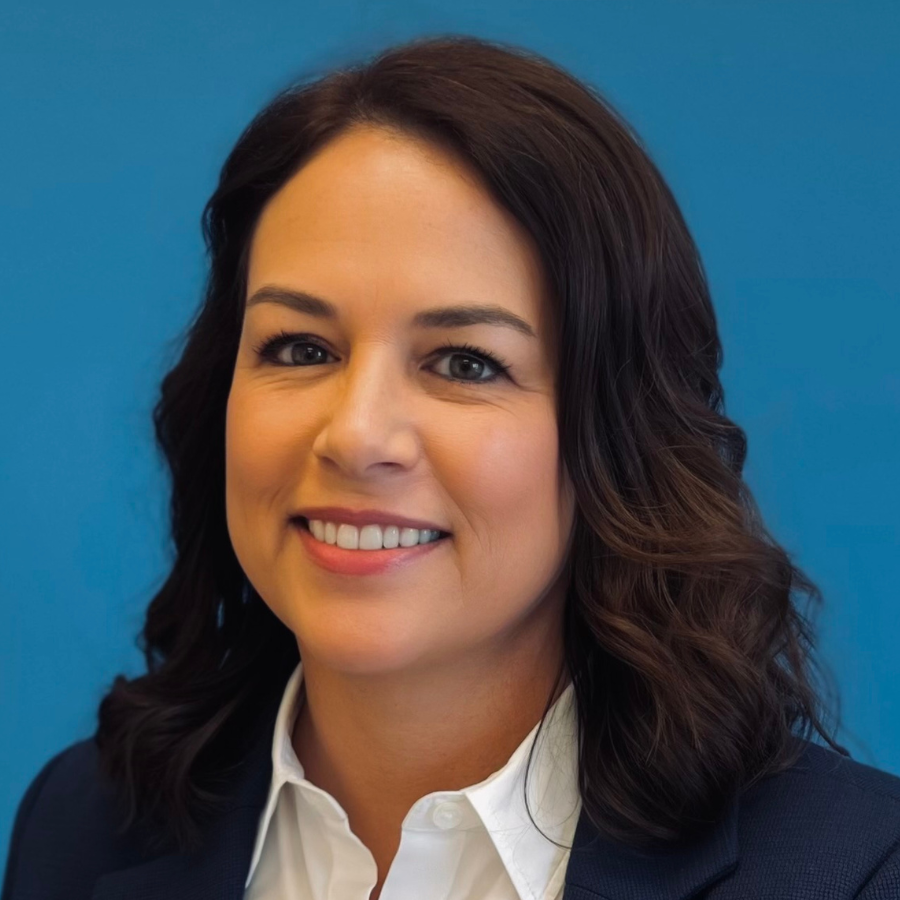 Dawn-Michele Blalock is the CEO of the Boys and Girls Clubs of Southeastern NC. With over 20 years of leadership experience, Dawn-Michele comes with a wealth of knowledge leading organizations to success. She holds a Master’s Degree in both Nursing and Healthcare Administration and has spent the majority of her career advocating for hospice and palliative care causes for both adults and children. As a former CEO in the hospice space, she has been the creator of several children’s bereavement camps to help families navigate their grief after significant loss. She has also successfully advocated to ensure the availability of key healthcare benefits to pediatric patients under the Affordable Care Act. Working with the assistance of Governor Nikki Haley, Dawn-Michele was able to bring the first children’s palliative care service line to the State of South Carolina. Later, Dawn- Michele worked with then First Lady of Mississippi, Deborah Bryant, to establish the Mississippi Center for Medically Fragile Children foundation. MCMFC’s mission was to build a palliative care facility for children, serving the needs of UMMC Batson Children’s Hospital to care for technologically dependent disabled children. While living in South Carolina, Dawn-Michele was previously recognized as the Spartanburg Chamber Minority Leader of the Year, the Spartanburg Businesswoman of the Year, and received the South Carolina Governor’s Quality Award. In addition, she is a Riley Institute for Diversity Leadership Fellow, Leadership SC alumnus, Past President of Leadership Spartanburg, and has served on several boards across North and South Carolina. Most recently she has been recognized in the Wilmington Biz 100.
Dawn-Michele resides in Hampstead, North Carolina with her husband Trey and has three grown daughters, Kelsey, Jordan-Ann and Emma Kate.
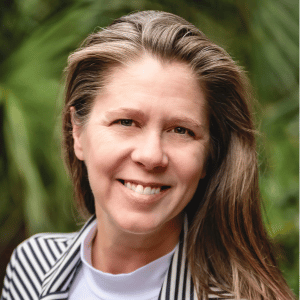 Nikki brings a wealth of experience to The Wilmington Conservative. Her lifelong involvement in the community gives her a great perspective on both politics and culture. She takes these things seriously - but never TOO seriously. She grew up in New Hanover County Schools, raised two adult children in New Hanover County Schools, and has two children currently in New Hanover County Schools, and I work in New Hanover County Schools. She is actively involved in Surfer's Healing and can be seen all about New Hanover.
 Reuel Sample is the Editor-in-Chief of The Wilmington Standard. A graduate of Grove City College and Princeton Theological Seminary, he has served as both a Presbyterian Pastor and a Navy Chaplain. He is the product of a classical liberal arts education combined with real world experience in politics and business and conservative Christian worldview firmly rooted in the Reformed tradition. He is the host of several podcasts including the NHC GOP Podcast, the Pastor's Voice, and co-hosts the Nikki and Reuel Podcast Experience. An avid sailor, he has sailed around the world as a youth and to the Azores as a teen as well as extensive trips up and down the east coast of the United States. He is honored to be married to his wife Pam and makes his home in Wilmington, NC.
Comments
Opinion Articles

The Nehemiah Way
America: Reflections of a Grateful Immigrant on America's 250th Anniversary