Episode 2: Ted Davis on Hurricane Relief, and Election Accountability
December 18, 2024
Watch on YouTube
We apologize for some of the wonky video on this one - we had an issue with the recording platform. All the sound is there - we just had some blips in the video.
Listen on Spotify
Like and Subscribe



 North Carolina State Representative Ted Davis joins our podcast to talk about the veto override of SB 382.
We talk about the increased hurricane relief funds that are part of this bill.
We also talk about the necessity of moving the oversight of the Board of Elections (BOE) out of the Governor's office to the Auditor's office.
Don't forget to answer the trivia question this week: What did my true love give on the 11th day of Christmas. Put your answer in the comment section below.
Also, please like and subscribe (follow) us on your favorite podcast networks. It does not cost a thing - but it really helps us get the word out.
Reuel Sample: Welcome to the Nikki and Reuel Podcast Experience. I'm Reuel Sample. I'm joined by the winner of the best local Long Leaf political ad, Nikki Bascome. Nikki. Good evening. It's good to see you again, my friend.
Nikki Bascome: Good evening. Good evening. I did not win. I happened to be in the advertisement. It was about me. But, um, all the props to Meredith and Mary Margaret. They. They are the genius behind that advertising. And congratulations to them, um, for creating something so amazing. It was a great ad. It really was. I might use it again for something.
Reuel Sample: You got to go to Long Leaf Pol.com. That's longleafpol.com. And uh, and bring up the article about the best political ads. And you will see our friend Nikki Bascom there as she ran for school board. Nikki, who's joining us tonight?
Nikki Bascome: I am so excited. I get so excited about all of our guests on the show. But this is someone, as I've been looking it through, through some of my genealogy, that there is a very slight chance that our family lines cross. And I'm so excited to welcome Representative Ted Davis. Thank you so much for joining us tonight. We're excited to have you.
Ted Davis: It's good to be here, cousin.
Reuel Sample: Oh, man. It's going to be one of those nights.
Ted Davis: Ted, can I say. Can I tell one story on Nikki? During the election? Is it true that you dressed up like Supergirl and ran down the line at the voting site saying, I'm here to save the day?
Nikki Bascome: I did, I did.
Ted Davis: Oh, that was awesome.
Nikki Bascome: It was Halloween and I was dressed as Supergirl and I did. The lines were so long, everyone was waiting and the line was about an hour and a half long and I just ran down, just jumping around like a lunatic yelling, I'm here to save the day! And they're like, oh good, what are you going to do, bring us pizza or water? And I'm like, no, just me, just me.
Ted Davis: If my kinfolk would do that, that's why. They probably are related. If I was channeling.
Nikki Bascome: My inner Ted Davis is what I was.
Reuel Sample: No no, no. I draw the line at thinking of of Representative Ted Davis in tights. That's that's.
Ted Davis: Well, now I'm going to have nightmares.
Reuel Sample: Uh, Ted, you're joining us from your man cave. You've got you've got cymbal's back in the background. I don't. You play the drums, don't you, sir?
Ted Davis: I do, I do.
Reuel Sample: And you used to play drums in a contemporary style worship band for a while, didn't you?
Ted Davis: No. I did it one night at our church when we started contemporary music. That was my musical career at Saint Andrews Covenant Church.
Reuel Sample: That's. That's Presbyterian. Presbyterian should never play drums in church, sir. It's just it's just one of those things is that it's just Calvin would would roll over in his grave in four, four time. Okay.
Ted Davis: That was all right.
Reuel Sample: Uh, well, uh, Ted, you are finishing up an incredible two years. It hasn't been the easiest of two years there in the North Carolina House of really taking on the governor at every single turn you've had. Is it 29 vetoes? Overrides? Is it 29 or 39.
Ted Davis: No no no no no, I thought it was 27.
Reuel Sample: Is it 27?
Ted Davis: Wait a minute.
Reuel Sample: Yeah.
Ted Davis: I have a folder here.
Reuel Sample: Ladies and gentlemen, we're going to pause here for just a minute as he goes into the archives of the Ted Davis personal veto override history book.
Ted Davis: 29 good vetoes.
Reuel Sample: Nikki. I believe I said 29. Did I not say 29?
Ted Davis: You were correct.
Nikki Bascome: I plead the fifth. I plead the fifth.
Nikki Bascome: It's family. It's family. Why are you even putting me in the middle of this?
Reuel Sample: Well, you're your latest one. Ted was, uh, SB was it? SB 382?
Ted Davis: 382.
Reuel Sample: And this one, this one got a lot of press because it they said it was all about, um, this, uh, This disaster relief for western North Carolina. And that was in it. But there's a whole lot more to this bill first. What was that? What was the disaster relief aspect of this thing?
Ted Davis: Sure. Um, well, one thing I will say that I did not like about the bill is that it was done as a conference report. Uh, that is where the House and the Senate leadership, being the speaker and the pro tem, get together and approve what the content is, and they move it at once again as a conference report, which cannot be amended. You either take it or you leave it. I will say what I did not like about this bill. I was driving to Raleigh, uh, the morning that we were going to have session, and, uh, I did something I shouldn't do while you're driving, but I got my phone, and I looked just to see if I'd gotten any emails, uh, on my legislative web. Or. Phone or website. And yes, it said here is the final version of the bill. Now you got to imagine this is like ten in the morning. I'm on I-40 and they send me 131 page bill, expecting me to read it before we went in and voted on it.
Reuel Sample: Wow.
Ted Davis: And I didn't like that. That's not the way you should do business. And one thing I'm I'm committed to, and I've talked to some other members of the House that we want to go in and change our caucus rules, and we're not going to do that anymore. We're not. If the Senate wants to send over something like that, or if the House wants to do something like that for us to vote on, we've got to get it early enough to be able to look at it, vet it. I think it should go through the committee process or really before we vote on it. But anyway, having said that, one thing that I've been disappointed in as a result of that bill passing is people making it seem like the appropriation in that bill was the only thing we've done. And that's totally incorrect. Uh, as you know, um, we have had two appropriations prior to this bill. Um, first off, I'll say that it's been estimated that the total amount that's going to take for western North Carolina to recover is $53 billion.
Reuel Sample: That's 53 with a B with a B, a Bravo.
Ted Davis: And the first appropriation we did was for 877 million. And then the second appropriation we did was 200. And. I'm sorry. Um, it was 877 billion for the first two appropriations combined. Excuse me. And then this bill that we passed has another 277 billion. So that that's a little over 1.15 billion with a B dollars that the legislature has already appropriated for western North Carolina, and it hasn't been that long since this thing happened. So to think that the legislative process has moved that quickly, because we knew the importance of getting this funding done. And I will say most of it has not been spent yet. And the reason for that is we're not like the Democrats that just throw the money out out there. What we did before the first appropriation is we tried to get a list of exactly what needed to be done, then prioritize that list and provide the funding that would accomplish what needs to be done there. We did the same thing before we did the second appropriation, and we're going to do the same thing again concerning this appropriation. So when you look at that, over $1.15 billion, yes, it's going to go to western North Carolina, but it's going to go in a way that we know where it's going and it's been going for for specific items. And if you remember previously, after the hurricanes, there was millions and millions of dollars that the legislature approved to help those people. There are still people that are living in motels because that money has not been spent. And we had a legislative investigative committee to call in the people. And these were Cooper's appointments. I'm not playing politics. I'm just telling you the facts. These were Cooper's people that were doing this. It was run by the Democrats, and we had them come in to answer questions. And they had the audacity to ask for millions upon millions more dollars because they were underfunded.
Ted Davis: Now, with no transparency, no explanation of where the money went. And of course, the legislature did give some, but not all that they wanted. And the person that was the head of that agency got fired. That's one of the reasons why we are doing what we are doing now. As Republicans. We are not going to go through that same route that happened previously under Cooper's leadership. We're going to make sure, number one, that we you know, once again, we prioritize what the needs are. We do the funding that is needed to meet those priorities, and there's going to be accountability and there's going to be transparency. In other words, they're going to have to report back to the legislature saying, yes, this is the amount of money we received. Yes. This is the amount of money that was expended. And yes, this is what it was expended for. So we're going to go about this totally different than we did before. And one other thing too, that's interesting is that we are trying to get money from the federal government. Mhm. Uh, President Biden has proposed 100 million. $100 billion relief package for multiple states. And we had a delegation to go up recently and trying to seek $26 billion of that money for North Carolina. Wow. And the thing is, as I'm sure you're aware, normally when the federal government gives you money like that, there are strings attached. And one of those. Strings is the state has to put in at least 10% match.
Ted Davis: Well, that's a lot of money. So another reason why we're being careful about how we spend the money so far is that if we just go and, you know, throw it out there right now, we may not have the money to make that match. So that's another reason why we're being very careful in trying to get this money from the federal government. If we have to do a match, we'll have the money to be able to do that. Plus, we can do other appropriations for western North Carolina, which we do intend to do in the next legislative session. Uh, and I might add, this is going to be something we're going to have to address for years to come. Cause we ain't got $53 billion.
Reuel Sample: Yeah.
Ted Davis: To do this. And I know the governor wanted us to appropriate. I forget how much it was. We totally depleted our rainy day fund, and we're not going to do it. You know, and once again, we've talked about this before. If you remember, Cooper was criticized in the legislature years ago because we were creating this rainy day fund and not spending it. And what did we do when we had all these different catastrophes? We had that rainy day fund. And we were able to help people, number one. And we were able to do it without either having to raise taxes or cut services. I mean, it just reeks of the difference between the way Republicans do things and Democrats do things. And the proof is in the pudding. Just look what happened.
Reuel Sample: I think I think those of us here on the east coast of North Carolina, Nikki, correct me if I'm wrong, is that we get hurricanes and storms here all the time. But the major difference is that this hit western North Carolina out of nowhere, and they're not really set up for this kind of stuff.
Ted Davis: And most of the people don't have flood insurance.
Nikki Bascome: No, not at all. Well, you know, and I think it's a little bit different here. You know, we're not sliding down a mountain. Half of our belongings aren't 50 miles away buried in mud, either. Um, the cleanup is a little bit different, I think. Fixing the infrastructure is is totally different. I mean, I couldn't imagine trying to fix the roads and the bridges, and they're still parts of western North Carolina that you cannot get to. You just can't get to them. Um, the one thing I can say, um, and Mr. Davis can attest to this because his family is from western North Carolina, are actually you're from eastern Tennessee is there super resilient. I they they can do miraculous things that we couldn't imagine. Um, it's almost like comparing apples to oranges. A major hurricane in western North Carolina is completely different from a major hurricane in eastern North Carolina. The only difference is they've never seen anything like this. We're kind of used to it. We know what to prepare for. They've never seen anything, and we don't know how to help them either. It's something we've never seen before, either. It's just.
Ted Davis: One of the things that that I really was very glad to hear from the people up there, that one of the major avenues of help came from churches.
Nikki Bascome: Mm. Mhm.
Ted Davis: The different different congregations came and were helping people right off the get go and donating supplies, food. And that's a good feeling to know that that was going on. And of course you've got the federal government coming in trying trying to help and do temporary housing. Of course you hear complaints that FEMA is not acting quickly enough, you know, yada yada yada. But, uh, once again, it's kind of reminds me a little bit of when this Gen X thing came out. Nobody knew what it was. That's kind of like up there in the mountains, like you said, that they've never experienced anything like this. And horror stories I've heard of people, uh, sitting on rooftops watching other houses come by in the water. Uh, it's just horrible. And businesses, you know, it's going to take who knows how long for businesses to recover and people to get back to getting a livelihood.
Nikki Bascome: It it is absolutely.
Ted Davis: Just to hear those stories. I mean, it's awful. And as a matter of fact. Representative Dudley Green, who lives up there, spoke, uh, when that that bill was the Senate bill 382. The override was being addressed. And to hear him talk, I mean, you want to cry literally to see what these people are going through. This is from first hand knowledge.
Nikki Bascome: There's a really good group in western North Carolina called Operation Hela. I think it's called Hela. One of my girlfriends is working with them, and they have already had over 80 mobile homes, not mobile homes, but RVs donated and for use in western North Carolina for families to get them out of the tents. I mean, it was it was, what, three weeks after the hurricane hit, that they started having temperatures dropping drastically and still living in tent cities.
Ted Davis: I've been receiving reports about that. And I know that, uh, people there are asking if they can have some relief from local zoning. Um, you know, and get all these permits and stuff so they can try to get some temporary structure which those rules may apply to, waived so they can get in there and they're doing it anyway. And there was a fellow from one organization said, look, I may be breaking the rules, but I'm going to help these people.
Reuel Sample: Yeah, yeah, yeah. And we saw that a lot with folks saying just basically driving by blockades and say, listen, I've got to get I've got to get things up, up, up to folks who need it. And you folks in the legislature actually moved pretty quickly on getting both financial relief votes and relief to them. And, and all these, these other necessities in, in record time, and probably because you were able to get that out of that, out of that rainy day fund, you didn't have to move money around. You already had it.
Ted Davis: If we didn't have that rainy day fund, it wouldn't have been done.
Reuel Sample: Well, the other thing about the other thing about SB 382 that they didn't really talk about, they kept talking about you folks withholding this disaster relief is the reallocation of how the Board of Elections is overseen. That is a big deal, Ted, because we still have elections that are not that haven't been decided yet because of the Board of Elections. What did you guys do in SB 382 with the BOE?
Ted Davis: Something that made the Democrats very upset.
Ted Davis: Basically, um, what it does it it transfers election board appointment power from the governor, which would include the incoming Democrat, Jon Stein, and it transfers it over to the state auditor, which would be the incoming Republican, Dave Bolieck. And the Democrats are obviously are very upset about it. But to me, Reuel, I looked at several things in supporting that.
Ted Davis: Number one, which I think is very kind of ironic. You know, after every election, people say we want to audit. We want a forensic audit. We want you to go in there and we want you to do this audit so we can determine whether or not this election was valid or not. Well, who better to do the audit in the state auditor? I mean. We're giving the people what they want. If, you know, it was the old adage, you better be careful what you ask for. You just might get it. Well, they're going to get it.
Ted Davis: And the other thing that I think of all the election irregularities that have gone on in the last four years since Governor Cooper has been in charge. And a perfect example is what happened here in New Hanover County this last election. I mean, you have an election. You've got the Board of County commissioners, the Board of Education, you know, wanting to know are the votes in did I win? Did I lose, you know, what's going on? And then days afterwards, the local director said, oh, by the way, we found all these provisional ballots that we didn't count and they weren't counting violation of state law. And what really got me was is that the election director said, well, I was directed by the state board that I could do this. Yet the state board denied that they ever said that. And so the county commissioners have hired an outside law firm to go in and do a audit, if that's the correct word, to find out just what happened. And the local direct elections director is refusing to cooperate and will take no part in that investigation. Now, that's got to tell you something.
Reuel Sample: But they but they still have to do the audit, right.
Ted Davis: So they're going to do it. With or with or without the assistance of this local director. But that to me just reeks. And I have heard horror stories from other representatives of things that happened during the election that were totally counting votes from people on who were deceased.
Ted Davis: It was just incredible. And we did all we had the big discussion before we actually went in and voted on the bill. We did discuss it in our Republican caucus. Of course, I didn't have time to read that 131 page bill before we had the caucus. But and it was a long caucus, and we really as a matter of fact, when that topic came up, nobody was saying anything. I raised my hand. I said, look, I said, I'm on the fence about this thing. I want to hear some discussion about the pros and the cons, about why we should or should not do this, so I can make up my mind. Well, then everybody and their brother started talking, and it was really interesting to hear all the different things that people were saying. And by everybody ruling, Nikki agreed that the process for which this bill was done was wrong. You don't wait till the last minute and shell out 131 page bill that you can't amend and expect people to be able to go in and intelligently vote on it? Um, but once again, it was a take it or leave it. Either you do it or you don't. But by far everyone commented about the procedure. There was no question that nobody liked the way it was done. But the biggest part of that bill that people talked about was the election part. And really in different representatives from different, you know, districts throughout the state were telling things that went on that weren't right with their with their Board of Elections. And, I mean, you can't make this stuff up. And, you know, it's not like they all got together and said, this is what we're going to say. So, I mean, this was independent. People separate apart from each other telling these, these things. And it really made me even better prepared to vote for that aspect of the bill. And I think what you're going to find. Well, number one, I believe what you will find now is you're going to have Republican controlled Board of Elections. And I don't think you're going to find this stuff that's been going on like it was before. And I mean that very seriously.
Ted Davis: Like David Bolieck said, he didn't ask for this. This is not his idea. And he wasn't part of it. It was just if, if, if we were going to do it and give that authority to somebody who would be best to do it. And once again, it fell back to the auditor, which is what everybody wants after an election anyway.
Reuel Sample: And the auditor is a statewide elected office. So it's not like we're giving it to some bureaucrat someplace.
Ted Davis: That's absolutely correct.
Reuel Sample: And by the way, Bolieck won the Longleaf North Carolina political ad competition. So not only did he get into office, he won. Uh, he he not now, Ted, if you had run a series of ads, I'm sure that you would have been in that running someplace, but, uh. But you weren't. You weren't in that. You weren't in the showing this year.
Ted Davis: He and I met on several occasions, and he was quite frank with what he wanted to do as auditor. You know why he was interested in doing that? And I supported him.
Reuel Sample: One of the big things that we saw was especially at UNSW, was this all this last minute, same day registration. Um, are you folks talking about that at the at the state level of, of somehow getting that under control? You brought you brought early voting down, which was amazing. Is there anything that the legislation can do to to to curb that a little bit?
Ted Davis: One of the things that I learned from this experience was I introduced a bill about, um, requiring mail in ballots to be in on, know, I think by the end of close of business on Election Day, I had introduced we talked about this before. I think it was like seven different election integrity bills. And what we ended up doing was the House and the Senate came up with a combined bill that addressed election issues. And one thing that I did not think about, I really did not when when I did that and that language did go into that bill, I'm talking about the consensus bill was what would be the penalty if you didn't count those votes like you were supposed to? So that's that's something that I know in talking with some of the other representatives that we need to address, because right now, even though the our local election director did not follow the law and did not do what they were supposed to do, and those provisional ballots. Um, what do you do about it?
Reuel Sample: There's no penalty.
Ted Davis: And it really I could have thumped myself on the head, but I just never dreamed that anybody would violate, you know, that that provision. But they did. So yes, I think that that there's a desire to look at that, to see what we can do. Because if you got if you're going to have a rule that you got to do something, then there should be something there to punish if you don't do it right, or else you don't have the incentive to go ahead and do what you're supposed to do anyway.
Nikki Bascome: Well, because you're an honest person.
Ted Davis: Some other things. I mean, I know one of the things that that I introduced was a bill to reduce the time for early voting. Both the speaker and the pro tem said, no, we're not going to do that. There's enough going on as it is now. Uh, so we're not going to proceed on that one. So I want to look at addressing that again because I think, yes, what's going on now is absurd. I think it's absurd for candidates. And Nicky knows this, to sit there and have to campaign all those days of early voting, then try to find supporters that are willing to go out and work the polls for you during all those days, and then the Board of Elections having to, you know, be responsible for that all of those days. And I guess what really gets me when I was coming along and I think through my first two terms as a county commissioner, you had one day to vote. That was it. That's the way it always was. Now, there was an exception if you were in the military and overseas. But I mean, if you wanted to vote, you got in your car or you got somebody to drive you and you went to your polling place and you voted and that was it. And now we just got this ad nauseam of early voting days and all of this and all of that. And, um, the least thing that we do, the Democrats say we're trying to suppress voting, you know, and to me, the whole thing is just totally absurd. Um, it's and I think all these lawsuits are absurd. I think everything is absurd, because why can't you have an election? People go vote. Let's determine who the winner is and let's move on with the program. You don't have that anymore.
Reuel Sample: You know, Nikki in in Iraq after the war, they went in, they voted and they, they they had the the elections, the results that same day in Florida, which is, what, five times the population of, of North Carolina, they have the results the same day. And you as a candidate, you were waiting around for days to get answers.
Nikki Bascome: We were waiting around for days and then recounts and all of this. But, um, to piggyback on on the long days of early voting, something that I brought up last week is, um, we're we're all human with all the human fallacies, and we're going to make mistakes. And when you're tired and and you have so many days and long, long hours and you're not allowed to leave because I worked for the elections for a few years. Um, you're not allowed to leave. You're hanging out in this room for days and days and days. The tendency for something to go wrong or a temper to flare or, you know, we're just creating a perfect storm all on our own by having all of these early voting days and understand that we want we we don't want to suppress a vote. But if the vote is super important to you, you will find a way to be there. You will be there. Maybe looking into having nontraditional hours instead of a 13, 14, 15 hour day. It's it's grueling, not only for the people electioneering outside and the candidates, but it's grueling for the Board of Elections.
Ted Davis: I agree, it's a lot. And one thing that really got me the local director says, well, we didn't have enough people. Well, the answer to that is, number one, everybody in the world knew this was was going to be a big election. Yes, everybody in the world knew that people were going to come out of the yin yang to go and vote. And I've talked to several of the commissioners who both said all they had to do was ask us. Yeah, all that election board had to have done was gone to the commission and say, look, we anticipate a huge turnout. We don't have enough people here. Can we hire some temporary help? They didn't do that.
Reuel Sample: Yeah. Because because the county commission actually gave them more money this year. They they the board of the BOE asked for more money and the county commission gave them more money. It wasn't like they were underfunded.
Ted Davis: Well, plus, if they even needed more. Yeah, they would have given it to them. Yeah. I really think it was set up to fail just so they could sit there and try to blame it on Republicans. It's funny because everything that has happened since I've been in Raleigh with the governor or even this. It always comes back. Well, you don't give us enough money. You don't give us enough money. Well, you don't ask for. And I know for a fact on the state we in the General Assembly ask the state Board of Elections. Do you need more money for this coming election? And they said no.
Ted Davis: Well, we gave them money anyway. I'm serious. So even if the state board comes in and says something like that, that is totally false because we gave them money after they said they didn't want it in the first place. And then you got New Hanover County saying, well, we don't need any money or excuse me, did not even go to the commissioners and request more money for temporary help, which they would have been given.
Reuel Sample: Now, Donald Trump, Donald Trump has said that he is not a fan of early voting, and if he had his way, he would get rid of it all the way across the country and, and, and and go to paper ballots. Now, the federal government has no say in, in state elections, but is there ever any chance of us going back to just one day of voting here in North Carolina?
Ted Davis: I wouldn't mind it myself. I mean, if you wanted to have maybe two days of early voting, I mean, seriously, a smaller amount. Yeah, because I understand that people can get sick and not be able to vote. Yeah. Or people may have some sort of personal emergency that could prevent them from a vote to vote on that one day. Right. So I'd be willing to sit down and try to figure out a much better way to do this. But I think the way the system is right now is absurd.
Reuel Sample: Yeah. Well, on a on a lighter note, as I look at the two of you in split screen, I'm actually starting to see more and more of the family resemblance.
Ted Davis: See that side view.
Reuel Sample: I was I was kind of looking in the, in the flowing lock of hair area, but that's okay. Uh.
Ted Davis: Hey, wait a minute. Don't pick on the bald guy.
Reuel Sample: Uh, what do you got going on for the holidays? Uh, you're home for the legislature, is that right?
Ted Davis: Let me do one other thing, if I could. There's another thing we did that day, and that is we. We passed a constitutional amendment.It will go on the next election about, uh, voter ID. And, of course, the beauty of a constitutional amendment is the governor can't veto it.
Reuel Sample: Yeah.
Ted Davis: So we don't have to put up with that mess. But really, it's very simple of what that amendment would do. And that is, as you know, right now, it's the law in North Carolina that if you vote in person or if you do an absentee vote by a mail in ballot, you have to provide a voter ID. Well, previously there was a constitutional amendment that went into effect that says you have to have a voter ID when you do in-person voting, but there's no mention in the Constitution that that also applies to absentee voting by mail in. So what this constitutional amendment would do would be to add that so that the Constitution would say the same thing that our current law is. And so one thing that would do, obviously, is make it consistent with North Carolina law, quite frankly. The other thing, it would make it harder for courts or future legislature to undo these rules, so that that was the reason why we went forward on that, because, you know, we have fought, we've been Republicans have fought long and hard to get voter ID in which the Democrats do not want.
Ted Davis: And you're going to love this. I got an invitation to Josh Stein's governor inauguration. Guess what you've got to have to get in?
Nikki Bascome: An ID!
Ted Davis: I remember I still have it on my phone. That was years ago. You know, Reverend Barber, they had the Moral Majority Mondays and all that stuff. And it was so against the voter ID. Well, he had a rally in Raleigh, and I got a hold of one of the pamphlets talking about the rally. And one of the things that said, you got to bring an ID.
Reuel Sample: Amazing.
Ted Davis: And I guess to get to go to the rally that was going to argue against voter ID you had to have an ID to get in.
Reuel Sample: The other addition of the state constitution, is this whole idea that you have to be a resident, a citizen of the United States, in order to vote in any election in North Carolina. So, um, uh, a lot of great things going on. So let me go back to my earlier question as Nikki sits over there in her horrible Christmas sweater.
Nikki Bascome: Santa's Favorite!
Reuel Sample: What do you got going on for Christmas, Ted?
Ted Davis: I'm going to my cousin's house.
Reuel Sample: Uh, up there. Up there in moonshine territory.
Nikki Bascome: My house?
Ted Davis: Nikki's house.
Nikki Bascome: Come on.
Reuel Sample: Mr. Davis, thank you for joining us tonight.
Ted Davis: It's a good time. Any time. I'm really glad you all are doing this.
Reuel Sample: Well, thanks.
Ted Davis: It's going to be great.
Reuel Sample: Thanks. I'm a co-host to a wonderful, wonderful person. So, um, we're going to.
Nikki Bascome: I think I'm the co-host to a wonderful person. Reuel and I have a lot of fun.
Ted Davis: I think Reuel's got the best part of that deal.
Reuel Sample: I do. I do, that's to say it's the same thing in my marriage is that, uh, for, uh, during my anniversaries, I get congratulations and Pam gets condolences. I'm not really too sure why that happens.
Ted Davis: I can understand that.
Reuel Sample: Ted, we're going to let you go. Thanks for joining us tonight.
Ted Davis: My pleasure. Nikki. Pleasure. Merry Christmas, merry Christmas.
Nikki Bascome: Merry Christmas.
Reuel Sample: So. Boy, that was great. That was great. I'll tell you what.
Nikki Bascome: That was fun. I love I love Representative Davis. He he is such a genuine person. I really do enjoy him.
Reuel Sample: You know, we talk a lot about, uh, term limits and everything else, but you know what? He's been there for a while, and he gets a lot of things done. He gets and he knows how to move. Uh, and, and, and we have New Hanover County in the front row of the legislature simply because he's been doing this for so long.
Nikki Bascome: Yeah, but you know what? I think the reason why we have to talk about term limits is because of people that get into office that are not as honorable as Ted Davis, that aren't as honest. And and they use their position of power in nefarious Various ways. Um, I honestly think because we are just so lucky and so blessed to have Mr. Davis on our side. Yeah. Um, speaking for for all of our all of his constituents. He doesn't he doesn't speak just for the Republicans. He's speaking for all of his constituents, which. Yeah, gives you a good feeling that, you know, he he is honorable. He really is. He lives up to that name.
Reuel Sample: He's a statesman. You know, there's there are politicians and he's a he's a wise politician in his own right. But he's a statesman and that's always a good thing. So so let's moving on to some other things that are going on around the, the area, uh, real quickly. Um, uh, Crystal Magnum Mangum or however you pronounce her last name out of the blue. Wow.
Nikki Bascome: Where did that come from?
Reuel Sample: Where did that? For those of you who can't remember if you haven't seen the news lately. Crystal Mangum, uh, accused three Duke lacrosse players back in 2006. Uh, Nikki was graduating middle school back then, but back in 2006.
Nikki Bascome: Actually, that's the year I met my husband. I was a single mom, and Warren and I met in 2006.
Reuel Sample: Wow.
Nikki Bascome: I remember this story, um, because as a single mom that you hear about rapes and things like that, it really stands out in your mind. Not saying that it wouldn't stand out in another person's mind, but, you know, a single mom of two young kids, it it really stuck out. I will never forget following that story every day.
Reuel Sample: Yeah. I mean, it's, by the way, if you do have young kids who are and you're listening to this podcast, we're going to we'll keep it PG. But just so you know. But, uh, she accused three Duke lacrosse players of, of of gang raping them. And as the story went on, it got worse and worse and worse. Yet at the same time, there was less and less corroborate, corroborate, corroborate. Oh, I lost it.
Nikki Bascome: Corroboration.
Reuel Sample: There it is. Uh, of the of the story to the facts. But, uh, the the prosecutor at the time, who is a Wilmington native, Michael Nifong, kept pressing forward and it took a, a, a an attorney general by the name of Roy Cooper to step in and say, enough is enough. There's nothing here. And and he issued he not only did he stop the process, he got on and said, these three boys are innocent. And and that I think was the, the the the starting point of this whole idea of the press to kind of taking over everything. These boys were condemned by the media. Nikki. And we're continuing to see that today.
Nikki Bascome: They were they were it's, um, you know, there there was a newscaster here in town who told a friend of mine that there is a difference between a news anchor and and a media person. Um, a news anchor is going to tell you the facts. Or at least you would hope that they would just stick to the facts. Media can sometimes drive a narrative. Yeah. Or or put innuendos out there. Um, and it's kind of sad. And from what I understand, the lacrosse players actually did, um, win a settlement settlement with Duke University back in 2007? Um, because of how Duke University handled the case. So you've got so many different things that were playing into this court case, but why she comes out now so many years later, and here she is. She she could be free in the next two years because she was arrested for killing her boyfriend.
Reuel Sample: Yes. She was arrested for killing her boyfriend. I don't know if it was manslaughter charge or murder in the third degree or something like that. And sentenced to, uh, to time in prison. And her earliest parole is, I think you said 2026, 2026.
Nikki Bascome: So this is something that happened in 2011. Now, I could understand 2011. She's going through this murder trial and and this comes out. But why now? Why just out of the blue, she decides that she's going to say, hey, by the way, um, I falsely accused them, and I apologize. I hope they can forgive me. What do you think? Okay. Coming from seminary school. And what do you think? Can you. Well, she ruined these poor guys lives. Is there a forgiveness out there? What? What could you do? What do you do?
Reuel Sample: Well, you know, that's an interesting question. Personally, I believe that there is forgiveness if not in this life and in the life to come. But you still have to be held responsible and accountable. So, you know, I believe in, in, uh, in, uh, capital. Capital execution. I believe that if you murder somebody, you pay the penalty. It's not a punishment because you can't learn anything from it because you're dead. However, there is a there are plenty of people who are put to death who probably, uh, uh, meet their. Lord from a from a, uh, a conversion at some point, and maybe that's what's going on with her. Maybe she has in that the podcast that she did all this on, she did talk about God a lot. And she talked about forgiveness a lot. But at the same time, she is she has she has been diagnosed with several mental disorders. And so you never know what's going on with her. Uh, she it's a tough call. Is that, you know, the statute of limitations on all of this have have ran out years ago. She can't be sued. She can't be prosecuted. In 2026 if she gets out on parole, she's a free woman. It'll be interesting to see what happens.
Nikki Bascome: So. So do you think it was just that she had a guilty conscience, and she just had to get it out there just so she can go on living her life better or. I think I if I were, if I were one of these young men's mothers. I have a 28 year old and a 26 year old, so if that would have happened to one of my children, I, and it ruined their lives. I mean, I raised this child. I helped put them through Duke University.
Reuel Sample: Yeah.
Nikki Bascome: I worked hard. And for her to come back so many years later and say, I'm sorry, I just, I don't know if I would have forgiveness in my heart. I, I'm just. What do you do with that? I mean, I just, I, I'm baffled, I'm baffled.
Nikki Bascome: The statute of limitations may be over for, you know, suing her or she probably has nothing. But the statute of limitations for forgiveness. I I'm just, uh.
Nikki Bascome: I think as a mother, I would have rather have not known. And just. I mean, they've gone on with their lives. They they're they're somewhere else now.
Reuel Sample: Well, one of them is, uh, is is a lawyer himself, and, uh, he, uh, he went to law school and has become an attorney and a defense attorney. And so he's kind of used his anger, uh, in a constructive way. They all they all received a $20 million. Each of them received $20 million from Duke University because Duke mishandled this incredibly badly. Um, and, uh, the whole rap of that is that if you've got boys going to, to college universities, you need to tell them, don't go out and party. Don't go out and get drunk. Don't go out and do all that stuff because you you don't have a chance. It's going to be rough. What else you got going on there, Nikki?
Nikki Bascome: Well, I you know, it was kind of sad bringing this up because on December the 5th, there were two students at UNC that were arrested on allegedly rape. Um, we'll see how that unfolds because it's still fairly new case, but, um, and I think the sad part about this, as I have two I have two sons and I have two daughters. And the sad part is, you know, you feel like you have to tell your sons, you know, be very careful when you go out there to, you know, do not put yourself in a situation where you can be accused. But then on the other side of the coin, you know, you're telling your daughters, don't put yourself in a situation where something like that could happen. Yeah. Um, and I and I think when people like Crystal come out, it just, it really damages. We work so hard. And I say we, um, people that, um, have dealt with sexual abuse and sexual assault, we worked so hard to not be that victim. Um, because for a long time people didn't listen. And that's where the hashtag MeToo movement came from is, um, there were a lot of allegations out there, and many of them were true. And this just brings up, um, when someone like Crystal comes out, it just destroys all of that. And it breaks my heart for all of those that are going through rape. And then I see this UNC rape case and I wonder which side, which side is it? And I think it just further divides everyone.
Reuel Sample: There was a there was a small protest at the Wilmington Police Department over the Sunday. Uh, it was on Wect. There was a group of about 20, 20, 30 women who were very upset about the way the Wilmington Police Department investigates sexual crime issues. And and there are two sides to every story. But there's no question that how we go about this has got to change, because on one hand, you've got to be responsive to the victim, but on the other side, you've got to protect the accused. And, and, and and oftentimes especially on a UNC on a college campus, not just UNCW there's so much involved. You have alcohol involved, you have drugs involved. You have so many things going on.
Nikki Bascome: Hormones.
Reuel Sample: Hormones.
Nikki Bascome: But then but then it's also, um, you're trying to deal with all of this, with the alcohol, the drugs, the being out on your own for the first time trying to navigate all of this, but then so much becomes, um, it's the court of public opinion.
Reuel Sample: Yeah.
Nikki Bascome: Um, which makes it even worse. Yeah. Because people. They'll read. They'll read that sensational headline, and all of a sudden you're guilty. It doesn't matter what what the article says. It doesn't matter what the facts say. It doesn't matter what the court says. And because of that one sensational headline that popped up on Facebook or Instagram or X for one brief moment, um, public opinion is already made and you're you're guilty.
Reuel Sample: Yeah. Because we live in a we live in a new era of 24 hour news and you've, you've you've got to go with the story. And if, if, if you have to retract it later. Okay. But at least you were the first person to break the story that I think is.
Nikki Bascome: Oh, you got to be the first one.
Reuel Sample: You got to be the first one. And then we had another breaking story. You sent me this earlier today about a shooting in Madison, Wisconsin. This is heartbreaking.
Nikki Bascome: I was just watching it on the news right before we came on. It was at a Christian, um, private Christian school in Wisconsin. Um, I might have the facts wrong, because it was about an hour ago that I was watching it, that, um, two students were killed. Um, the the shooter was killed and two were, um, critically wounded. Um, at the time that I came up to do the podcast, they hadn't announced how old the children were. Um, but it's it was a K through 12, so it could have been a high schooler. Um, I don't know any more details, but definitely something to watch, um, as it unfolds. It's, um, Heartbreaking. Heartbreaking.
Reuel Sample: Yeah. JD. JD Vance, the incoming vice president, talked about this on the campaign trail, and he he was excoriated by, again, the liberal media when he said, this is our new reality. This is the world that we live in. Now. People were saying, well he they mistook his saying his probably on purpose by saying that we have to live with it. We don't have to live with it. We have to do something about it. But this is the world that we live in.
Nikki Bascome: And unfortunately it is, um, you know it. The times just changed. The times evolve, and the things that we have to prepare ourselves for will change and evolve as we grow as a country. And, um, no one has the magic wand to fix that one either. So we're just going to have to find a way to come together and know that all of our hearts are breaking and we're all trying to strive and fight for a better way forward, and to figure out why. This is definitely some social issues going on. I would have to assume. Something else that we were going to talk about tonight. Is this crazy weather?
Reuel Sample: What's going on? What's Al Gore must be in town or something. What's going on?
Nikki Bascome: It was it was freezing cold ice everywhere. And now we're getting up to 71, 72, possibly 73 tomorrow. How are we even handling this?
Reuel Sample: If you don't like the weather in Wilmington, just wait ten minutes, because, uh, um, so frosty is going to going to melt tomorrow. Uh, and, uh, but it's, it's supposed to switch back by Christmas, isn't it?
Nikki Bascome: From what I'm looking at, at the weather, it will. I guess it depends on who you listen to.
Reuel Sample: I don't know about you, but I get, I get, I get, uh, pressure related headaches. So when these ups and downs I am all over the place. So it's it's going to be a painful few days over here at the Sample residence.
Nikki Bascome: I love peppermint oil. Peppermint oil.
Reuel Sample: Oh, and then now next week we're not going to have a podcast next week because it's Christmas. And you and I were you and I were talking about before the podcast about traditions. And what do you got going on over there at the Bascom House for traditions?
Nikki Bascome: Oh, goodness. So traditions in our house is, um, Christmas vomits all over our house, as you can see.
Reuel Sample: No, no, no, no, this is a high class podcast. Well, I guess that was better than the. That's better than. That's better than the other one.
Nikki Bascome: What, you didn't like my my Christmas tree? No. We, um, so I was raised as an only child with just my dad. So, um, Christmas was kind of quiet. And now that I have created my own big family, um, I love Christmas. I decorate our nature trail is 100ft long and I decorate it. I go all out, um, baking cookies. We're going to make like 12 dozen cookies tomorrow. Um, I love Christmas. That that just. And I get up on Christmas morning, we unwrap presents and I make a big turkey. I don't care who's here. It's going to be a 20 pound turkey. Whether there's four of us or 20 of us. There's going to be turkey for days and I make homemade mashed potatoes. And here's something that we being from the coast and, um, my aunt is from the New Bern area. She taught me how to make oyster dressing, so we always have oyster dressing for Thanksgiving.
Reuel Sample: And now do you do that for Christmas as well?
Nikki Bascome: Yeah. Oh, did I say Thanksgiving? Yes, yes. I do it for Thanksgiving and Christmas. We'll have oyster dressing. Wow. And it's the only time we make it. And how about you? You were telling me something about.
Reuel Sample: Well, my my wife, my wife's family, uh, has always has spaghetti on Christmas Eve. And it goes back to when Pam's grandmother was working retail, and she would always get off at 5:00 on Christmas Eve. And, uh, her grandfather would have pasta going by the time she got home. It was kind of fun because then they would all go to church afterwards. And so they needed something to have so that they can eat it as a family. So we've always we it's the one time because my wife and I are on low carb diets, it's the one time during the, the, the year that we can now have pasta and and it's Christmas. So carbs don't count on Christmas Eve. And no, they don't.
Nikki Bascome: Alcohol doesn't either in case you're wondering.
Reuel Sample: In case you're wondering. And if you combine the two, then you're good for the rest of the year, right?
Nikki Bascome: You're you're great. You're great. I think the only thing, the only the last thing that I wanted to talk about tonight was, um, Shannon Winslow.
Reuel Sample: Yeah.
Nikki Bascome: Chair of the endowment and why this gets me so excited. Well, the headlines were first female chair of it, but my reasoning is because she's a local girl. I grew up with Shannon. Well, I grew up near Shannon. Her and I kind of knew the same people and were in the same crowd. But I'm glad that a local person that understands our nonprofits, understands our community, He understands the the way Wilmington is and was and is becoming is someone that's going to sit on the endowment board, um, head of the endowment board. So congratulations, Shannon. We're very proud of you.
Reuel Sample: Congratulations. And now that's at the state level. Is that right?
Nikki Bascome: No, that's here locally.
Reuel Sample: That's here. That's that's even better. That's even better.
Nikki Bascome: That's our endowment.
Reuel Sample: So fantastic. Well, last week you had a trivia question all about the pardoning of a turkey. Now, I, we asked people to respond. You can respond. And by the way, folks, make sure that you like and subscribe. We are on all the major podcast platforms. We're on YouTube, we're on Spotify. Uh um uh, so make sure that you like and subscribe. It really does help us grow. And we ask that you respond to the trivia question. I had one response. It was my father who said, Roosevelt, the second one. But he's not right, is he?
Nikki Bascome: I you know what? I'm going to have to go back and look.
Reuel Sample: We are hyper prepared here on the Niki and Reuel podcast experience.
Nikki Bascome: We are hyper prepared because I was just prepared to give you a new trivia question. How about.
Reuel Sample: That? We can't go on without answering the last trivia question. Answering the last trivia question.
Nikki Bascome: I'm going to go look. I actually, um.
Reuel Sample: So the the question from last week was who was the president? Who did the first official.
Nikki Bascome: The first official pardoning of the turkey was Carter.
Reuel Sample: Was Carter?
Nikki Bascome: Yep. And the, um, the unofficial was John F Kennedy.
Reuel Sample: John F Kennedy, and then then, uh, so Carter.
Nikki Bascome: President Carter made it official. Okay.
Reuel Sample: And then I think it was I think it was under Obama that we started pardoning two turkeys.
Nikki Bascome: Oh, yeah. I learn something new every day. I think that's the case.
Reuel Sample: Okay. What do you got for trivia for for Christmas. And we're going to we're going to give you two weeks to stew on this one.
Nikki Bascome: Well, I got to decide which one I was going to do.
Reuel Sample: I like the one the second one that came up with tonight.
Nikki Bascome: No I like the first. Okay.
Reuel Sample: Okay, then go with the first one.
Nikki Bascome: Now you're going to have to remind me what the second one was.
Nikki Bascome: Is it first base or second base? Who's on home?
Reuel Sample: No. Who's on first base.
Nikki Bascome: Who's on first base?
Reuel Sample: That's right.
Nikki Bascome: Okay, so my trivia question would be, Um. What did my true love give me on the 11th day of Christmas?
Reuel Sample: There you go. There you go. So what was. What was the gift from my true love on the 11th day of Christmas? So you can answer that on YouTube. You can answer that on our web page. We have Disqus set up. So you can just log you can answer that on our Facebook page. But the first person timestamp to give us, uh, to give us their answer gets that that sweater that Nikki is wearing.
Nikki Bascome: Um, because you won't let me wear it anymore. My son said I couldn't wear it to school.
Reuel Sample: Yeah, well, there's reasons for that. So, um. Nikki, merry Christmas to you.
Nikki Bascome: Merry Christmas, Reuel. And thank you for, uh, for joining me in this wonderful adventure.
Reuel Sample: My pleasure and my honor. Merry Christmas to all of our listeners and our watchers. And we will see you in two weeks.
Nikki Bascome: Bye bye.
Long Leaf Winner of Political Ads: https://www.longleafpol.com/p/best-nc-political-ads-2024
Carolina Journal - House Override on SB 382: https://www.carolinajournal.com/house-overrides-cooper-veto-reallocates-elections-powers/
Cyrstal Mangum Confesses to Lying: https://www.foxnews.com/sports/crystal-mangum-confesses-lying-about-being-raped-duke-lacrosse-players-2006
UNCW Students Arrested for Rape: https://www.wect.com/2024/12/09/two-uncw-students-arrested-rape-charges/
Madison, Wisconsin, school shooting: https://www.foxnews.com/us/madison-wisconsin-police-say-multiple-people-injured-shooting-abundant-life-christian-school
About Ted Davis: https://www.ncleg.gov/Members/Biography/H/637
Support Sponsor: Cape Fear Boat Brokerage https://capefearbrokerage.com/
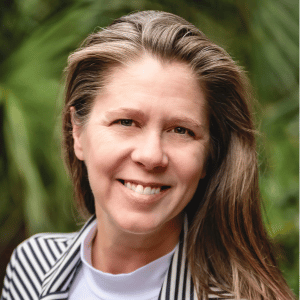 Nikki brings a wealth of experience to The Wilmington Conservative. Her lifelong involvement in the community gives her a great perspective on both politics and culture. She takes these things seriously - but never TOO seriously. She grew up in New Hanover County Schools, raised two adult children in New Hanover County Schools, and has two children currently in New Hanover County Schools, and I work in New Hanover County Schools. She is actively involved in Surfer's Healing and can be seen all about New Hanover.
 Reuel Sample is the Editor-in-Chief of The Wilmington Standard. A graduate of Grove City College and Princeton Theological Seminary, he has served as both a Presbyterian Pastor and a Navy Chaplain. He is the product of a classical liberal arts education combined with real world experience in politics and business and conservative Christian worldview firmly rooted in the Reformed tradition. He is the host of several podcasts including the NHC GOP Podcast, the Pastor's Voice, and co-hosts the Nikki and Reuel Podcast Experience. An avid sailor, he has sailed around the world as a youth and to the Azores as a teen as well as extensive trips up and down the east coast of the United States. He is honored to be married to his wife Pam and makes his home in Wilmington, NC.
Comments
Opinion Articles

The Nehemiah Way
America: Reflections of a Grateful Immigrant on America's 250th Anniversary