Of Construction and Music - With Perry Hewlett
January 22, 2025
Watch on YouTube
Listen on Buzzsprout
Like and Subscribe



In this episode of the Nikki and Reuel podcast, hosts Nikki Bascome and Reuel Sample discuss a variety of topics ranging from the current political landscape under Trump's presidency to the vibrant music scene in Wilmington, featuring guest Perry Hewlett, a talented bluegrass musician. The conversation also delves into local history, the evolution of New Hanover County, and reflections on community and social media's impact on personal interactions.
Takeaways
- The political climate is shifting with Trump's presidency.
- Wilmington has a rich and vibrant music scene.
- Perry Hewlett shares his journey as a bluegrass musician.
- Local history is often overlooked but rich in stories.
- Community culture is essential to preserving local identity.
- Social media can distort perceptions of individuals.
- The importance of critical thinking in today's society.
- Wilmington's music scene has evolved significantly over the years.
- The impact of development on local landscapes and communities.
- Engaging with local history can foster a deeper connection to the community.
Sound Bites
- "It's the golden era."
- "It's a listening room."
- "It's like a tree museum."
Reuel Sample: It is Snowmageddon, Nikki. Welcome to the Nikki and Reuel podcast. I'm Reuel Sample joined by Nikki Bascom. Uh, what is going on behind you? You've got you've got Farmer Brown, uh, on the beach.
Nikki Bascome: It's dreaming. It's dreaming manifestation right here. We're manifesting the warm. It's my vision board.
Reuel Sample: It's your vision. Well, meanwhile, we've got. We've got several inches of snow coming down, uh, that are that are scheduled to come down on the Wilmington area. When we say several inches, probably one. But, uh, it's but it's cold outside and it's, uh, it's icing up already. So think good thoughts as as Farmer Brown farmer. Farmer Bascom sits there because Nikki. Show the audience what's behind that island that you've got there. What's behind the island?
Nikki Bascome: Do I really show them? You want me to show them?
Reuel Sample: Yeah. Show them. So just so you all see, nothing actually really changes. So that is that is the temporary behind the island. So good evening, Nikki. I hope you've had a good week. Uh, we we took we took last week off, and, uh, it's the first day of Trump.
Nikki Bascome: I'm just excited you remembered my name. You struggled with it a few minutes ago.
Reuel Sample: We're not supposed to bring in prerecorded stuff into the into the recording, Nikki, but, uh, so it's the first day of Trump. Things have been going along already. Several, several dozen, uh, presidential executive orders signed. And you can just more. Dozens more coming. The border is basically closed. He's already started rounding up some illegal aliens. The Republicans are passing good bills. It's a new day in America.
Nikki Bascome: It is a new day. And wow, it's been, um, I've talked to a lot of my friends who who were kind of on the fence post as to whether they like Trump, whether they didn't, but they have been so excited about everything that's going on, which is a change. It is a huge change. So, um, here comes our golden, golden era.
Reuel Sample: It's the golden era. It's even. It's he's he's even gotten so granular as to declare through presidential, uh, executive order what a guy is and what a girl is. And I think that's, uh, that's the state of where we are right now. So these next four years, Just hold on. It's already. It's only just begun.
Nikki Bascome: Oh, it's so funny. I said for the longest time, especially when we were in the midst of Covid. Um, everybody wanted to say, listen to science. Listen to science. But not that science. That's not want to listen to listen to the science that we tell you to listen to. Um, so, so maybe, um, yeah, maybe things, things will change a little bit. People start listening a little bit better and critical thinking. Come on, let's just thinking for ourselves, thinking logically. Get out of our emotions. Get out of the knee jerk reactions. Get off of social media and start really thinking, don't. Don't get off of um TWC.
Reuel Sample: Then once you're done listening to the Nikki and Reuel Podcast Experience and reading through the latest editions of the Wilmington Conservative, and we are actually, by the way, a here's an announcement. We are adding audio to all of our articles. All of our articles will now have audio on them. So that will be folks to have a hard time looking at screens. Or if you're driving in a car, you can listen to our our our articles via your headphones. But we also have a very, very great guest tonight. And he is a very good friend of Nikki's. I've gotten to know him a little bit. Nicky, uh, tell the good folks who our guest is for tonight.
Nikki Bascome: Well, I am so excited. This is someone that I have known, um, 20 odd years. Um, actually built my house. Um, someone that. Okay. I swear, the cops are going to come knocking on my door for stalking people because I stalked this person all the time. He is a bluegrass musician, and if anybody knows me, I love my bluegrass. I am a country girl through and through, and every once in a while he lets me hop on stage and sing with him. But hey, here's Perry Hewlett. Welcome to the show!
Perry Hewlett: Glad to be here on this snow storm party night.
Reuel Sample: Yeah, let's let's hope that the internet holds up through all the storm. Folks are at home. They're all going online and listening to to stuff, watching movies. So the internet is working hard overnight.
Perry Hewlett: So it's not our fault. It's the it's the weather technology. I mean, the weather is interfering with the technology. It's not our fault. The internet comes and goes a little bit.
Reuel Sample: So that's correct. So one of the things that Nikki, uh, introduced you as is that you built her house.
Perry Hewlett: Right?
Reuel Sample: Why would you do a thing like that?
Perry Hewlett: Well, I was a builder. I just I happened to sell the house to her husband. And, you know, this was 20 years ago. This was, uh, 2006. Yeah. And he already lived on Middle Sound in a smaller house and wanted a new house, and I had known him and and and Nikki. And the rest is history. So.
Reuel Sample: So how long have you been building houses here in New Hanover County?
Perry Hewlett: Oh, gosh. Uh, when I got out of college in the 80s, I, uh, came back home because I wanted to live in Wilmington. And there were no jobs in Wilmington then. The economy was just devastated here. Uh, unless you worked at GE or the hospital or the school system or somewhere, or had some family business. There was nothing here. So I wanted to stay here. And this was an option to get into the family home building business. My dad was a realtor and had dabbled in it a little bit and bought a small chunk of land, and then I got into it and ended up liking it. It's a very creative thing. It's kind of like playing music or other types of art. It was, you know, you could get in there and create things. That was the part I liked the, uh, getting out on the job site with the guys. Uh, not the most fun thing on days like today, when some of them would want to work and I'd have to go out there, you know. But, uh, yeah, it was a creative thing, and I like being outdoors. I'm an outdoorsy person. So it was a it was a good fit. And, uh, it lasted for a long, long time. So, uh, you know, now I don't do it so much. I've retired from building. I still have some land. I sell a little bit, some of the remaining land, but, uh, now I just, uh, enjoy playing music and going out in my boat.
Nikki Bascome: No, I just wanted to ask you about some of your bluegrass stuff. I know that you play in local bands around town and and tell us a little bit about that, but also, I want to hear about some of the instruments that you play, because you are one of the most talented musicians I've ever seen, and I'm so impressed with how many instruments you can play. So, um, tell us about that. I know that you play the banjo.
Perry Hewlett: For the number of number of instruments. I'll start at the beginning. When I was a kid, I think I mentioned this before. The only TV stations we got around here had limited programing. So you saw The Beverly Hillbillies and Andy Griffith Show, you know, ad nauseam. It was all the time. And it was a lot of banjos on that. And I like banjo. As a kid I was like, wow, that's just neat. How are they doing that? So I learned to play banjo at like ten years old, and by the time I was 15, I was pretty good. But you weren't necessarily one of the cool kids if you played banjo. So of course I learned guitar and rock and roll like everybody else. And, uh, you know, went to college and got out and worked and didn't think anything about it, but then started to get in bands and I noticed they might not want banjo. And there were 10,000 guitar players. So I learned to play these other instruments like the dobro, the pedal steel, a little bit of fiddle, just various things. And I got into the kind of oddball instruments because, uh, if I wanted to join a band, I could play at least something in that band. So that that increased my chances of being able to get out and play with people. So I didn't want to be restricted to one, one instrument. Uh, and for a while, I couldn't play any of them that well, except maybe banjo. But over a period of time, I got better at all of them. And the music scene in Wilmington wasn't a wasn't that vibrant back in the 80s. It was beach music. Country music. Uh, a little rock and roll. But now it's just like a Mecca.
Perry Hewlett: It's almost like the Asheville of the East Coast. Uh, as far as acoustic music, folk music, bluegrass, uh, singer songwriter. I know more singer songwriters than than I do regular residents. Like, everybody is write songs now. I used to do that. And I'm like, well, it's not special now. Everybody does it. So, uh. But the scene. Yeah, the music scene in scene in Wilmington is very vibrant. We just played a house party, um, on Middle Sound last Thursday. Some guy sold tickets, had a brand new house built on Mason Landing Road and sold tickets and called us up. This was the end of the line band, and he had 75 people there that he sold to. I was like, oh, I thought this was just a little house party. And I told Jon, I said, we should have practiced more, but, uh, well, but it went off really well. But it was just amazing how these people remembered us and liked us so much that they wanted us to come back after seeing us at Ted's on the River. Uh, we used to be the house band there, and that's another place that's really fascinating. Uh, some people may not know about it. Ted's fun on the river. An old friend of mine, Kelly Jewell. His nickname is Ted. Uh, went to school with him many years ago. Uh, he opened up this little venue right at the boat ramp at the Memorial Bridge, the Cape Fear Bridge, And has all kinds of acts from all over the place that come to this, this venue. And it's very popular and it specializes more in singer songwriter, you know, more acoustic things. It's not like a like a bar that you hear rock bands playing all the time and stuff.
Nikki Bascome: I was going to mention that it's not it's not much of a bar. It's it's more of a listening.
Perry Hewlett: It's a listening room. That's what that's how they advertise it as a listening.
Nikki Bascome: You are listening to the music.
Perry Hewlett: Yeah. You can hear all kinds of artists, uh, some of them semiprofessional. Some professional artists come in there. We were maybe just the locals. So we related to a lot of people, you know, we like the the gatekeepers, the locals, whatever. But there was.
Reuel Sample: Some there are some amazing venues around the town. You've got, uh, of course, the, the one downtown, the big outdoor arena down there, Live Oak. But you also have, uh, out, uh, out farther along. You've got Glenfield Lake. Greenfield.
Nikki Bascome: Greenfield Lake.
Perry Hewlett: Amphitheater. Yeah, that's a really special place. Uh, we've been up there. We played on that, uh, twice before, uh, for various reasons, but yeah, that's my favorite. I like it better than the Live Oak venue because that's big. And you have to sit on the lawn sometimes. And parking is a concern. So anyway, it's, you know, and but it's for the larger bands that, that you can't get in some of these other venues. I think, uh, Alison Krauss and Jerry Douglas are coming April 26th. Yeah. That's pretty neat.
Reuel Sample: Nikki's got that marked on her calendar. Uh, and there's also a barber shop.
Nikki Bascome: If anyone has front row tickets.
Nikki Bascome: I'm free that night.
Perry Hewlett: Okay. We'll keep that. Yeah. There's a lot of music here. I mean, it's just a, you know, and Wilmington's an artistic venue too. Not just music. It's, you know, all the arts, which it didn't used to be quite like that. We had Thalia and Hall, which is a big deal. But yeah, the music scene and some of the other arts, uh, it's exploded here. And that's why a lot of people. I think one reason why they're retiring here. Uh, other reasons, of course, are the weather and.
Nikki Bascome: Well, Perry, you, um, have a claim to fame in the in the TV movie industry as well. Um, tell us about your, um, debut on on television.
Perry Hewlett: Um, well, uh, two of the bands I played in, there are guys that work at the movie studio, and they have gotten us into pictures, productions and things. Uh, one of the bands I played in in the 90s, the two of the guys, one was a prop master on Dawson's Creek, and the other one was a set designer. So we played the wrap parties, their their parties and things, and they used some of our instruments and things. I mean, there's an amplifier of mine on Dawson's Creek that you'll see in there. I watched the episode just to see my amp, and there's my amp. You know, I don't care about this. So, you know, things like that. Um, it was pretty neat. And they got us into some movies. Uh, we were in Radioland murders. Um, I just did a George and Tammy miniseries that one of the guys, they were looking for a dobro player. They had, uh, the Roy Acuff band playing the opening scene for, uh, the George Jones Band. And George Jones was Michael Shannon. And, uh, they didn't have a dobro player in the Roy Acuff band. They flew all these Nashville studio musicians in. And the dobro player, his wife went into labor so he couldn't leave.
Perry Hewlett: So they were scrambling to find a dobro player, and they asked all these sources, and everybody in town pointed to me, mainly because no one else played that thing. And in the movies, they hire musicians because they don't want actors trying to pretend like they're musicians. The hand motions and everything else, they just they want the seedy look of a musician. So they want they want actual musicians, which is kind of a neat concept for authenticity. But that was really neat. Uh, they had they Thalian Hall decorated up like the Ryman Auditorium. Uh, it was very authentic. If you saw it, you'd never know. It was Thalian Hall with the green screen behind it and all that. And they had it really hot in there. And these girls kept coming up and spraying me with a spray bottle. I said, why are you doing that? They said the Ryman Auditorium in 1968 had no air conditioning, so sweat was like, okay, whatever you say. It was a really neat, neat experience. Roy Acuff was played by Tim Blake Nelson, who was Delmar in O Brother, where Art thou?
Perry Hewlett: And I was like. Holy crap. Yeah, it was Delmar. And I was just blown away. I was like, expected to perform right then and shocked and just didn't know all this and was like, wow. So I asked him at the end of the performance, I said, does this make me a soggy bottom boy? And he said, you're as much of one as I am. So visual verification. We played a man of constant sorrow the other night. I said, I'm blown away.
Perry Hewlett: Because I.
Reuel Sample: Actually. Yeah, we actually have a video of you playing the dobro. So let me bring that in here. Just a second. Here we go.
Reuel Sample: Well, that last part was actually, uh, was filmed right across the street from me at, uh, at our at all three of our good friends. Billy's across the street. So what? Actually, no. No, it wasn't it.
Nikki Bascome: Was not filmed at Billy's. That is actually Perry's backyard. That is a stage that he built in his backyard. So tell us about that stage. It's amazing.
Perry Hewlett: Well, that particular night, I invited Billy out. Um, we used to have a lot of oyster roasts here, and, uh, I would do it out behind my garage, and I was always. I would always have musicians come over to play, and we'd sit out there in the dark. I mean, we had lights for the oyster rows that were kind of harsh and, and we'd sit out there and lose our guitar picks in the grass and stuff, and I said, I need to build a build a structure or something for musicians so we could sit out here and play while we have these outdoor parties. And I built this stage. It's got, uh, it looks like a house missing the front wall. And you could just go into the house, but it was built like a barn, and I wanted everything to look old, like an old country store. Uh, and that was the the effect I was trying to get. And it worked like a charm. I decorated with certain lights and certain wall hangings and lanterns and different things and invite different, uh, musicians over. I've had the satellite crowd on Sunday nights over. You have had Nikki come over and sing. And Billy Barwick, your friend, uh, had him come over. And quite a few different bands have come over there to the stage and played. You know, I've tried to start getting a semi-regular jam session going there. So, uh, that's pretty neat.
Nikki Bascome: And I sneak over there every chance I get.
Perry Hewlett: And I get the neighbors, right? Right. All the neighbors come and. And to hear Nikki sing and and after a few adult beverages, it sounds really good, you know? No, I'm just kidding.
Nikki Bascome: Yes it does.
Reuel Sample: Why has Wilmington become such a big epicenter of music? And it's not just one genre of music. It's a whole wide range of things. What's going is it UNCW? What's going on?
Perry Hewlett: I think all of these things are a factor. Uh, a college town. It's got a movie studio. Uh, just the basic physics of the town, you know, you've got an ocean and a historic district. Uh, there's so many things contributing to this, and it's a retirement community and a resort town. So all of those things factor in entertainment and music. Uh, so, you know, as opposed to other areas that maybe don't have some of these features. Um, but it was always kind of a resort area. I mean, even back years ago, beach music was a big, big deal. Uh, because of it being a beach town, the piers, fishing piers and the, uh, like the Lumina even back at the turn of the century, if you look at the Lumina, they had big band music. Tommy Dorsey and Benny Goodman, all these people that, uh, came from New York City to come to little Podunk Wilmington to play because just of the ocean and the unique features of Wilmington, I think.
Nikki Bascome: I want to I'm talking about the history in in that little clip behind you on the wall is a huge map of 1910 of the Ogden area. How long has your family been around the Ogden area?
Perry Hewlett: Uh, well, my family, the Hewlett family settled in the 1700s on Masonboro Sound, not Middle Sound. Uh, I've lived on Middle Sound a good chunk of my life, But yeah, that was where you might have heard of Hewletts Creek, which, by the way, was Dawson's Creek in the Dawson's Creek show. Same, same body of water they filmed it, right?
Nikki Bascome: I would sue them for stealing your name.
Reuel Sample: Or at least your water.
Perry Hewlett: Not one of my relatives wanted some royalties for that. They should pay us for using our creek. That's right. I said. Good luck trying to get that.
Perry Hewlett: Good luck trying to get money out of that. But yeah, the hewletts settle down there. But I have lived on Middle Sound so long, and I was just fascinated by the history there, because it's one place in New Hanover County that is kind of devoid of history, and partly because it was farmland. The Coble family had a lot of farmland there, and so I guess the historians ignored it to some extent. But there's a lot of other historical things that happen in the area. Uh, they had a write up in Wrightsville Beach magazine. Not long ago about pirates. And, uh, just they found gold doubloons, uh, near the, uh, the landfall area right here where it connects to Middle Sound and just all kinds of fascinating stuff that that I'm not surprised, but some people are surprised. I thought, no, there's a lot of history that happened here on Middle Sound. And I'm, of course, trying to uncover as much as I can. I've been to the North Carolina room a lot and looked up deeds and gone through various stories. Uh, the oldest antebellum plantation house, uh, is on Middle Sound. It used to be called the Everett Plantation in the early 1800s. Pages Creek, now, which separates Bayshore from Middle Sound, used to be called Everett's Creek because that was so important. It was a 900 acre plantation, of course, with slaves. Uh, and now the football player, Michael Strahan bought it, and he separated from his wife. She owns it now, and they lease it out as a wedding venue.
Perry Hewlett: It's used quite a bit. So that's but that's the old plantation house. It's been, you know, renovated so many times. But that's just fascinating, uh, that it was the oldest one in the area. So yeah, there's a lot of probably untold stories here. And that's and that map that I have on the wall I got from a friend of mine got it for me from an old surveyor's office, and it has details of things that are just surprising old school houses and just various things that certain landmarks and things that to me are interesting. From being down here, I would like to learn even more and more, and I really should get together with some people and do some interviews with some of these old people that know even more stories. But you know, there's not enough time in the day to do everything you want to do.
Nikki Bascome: Maybe we could have them on the podcast, learn a little bit more about our culture. You know, you talk about you guys both were mentioning how how so many people are moving to our area. And I think it's really important for us to not just preserve the culture and the history of our area, but but to share it with them and tell them, you know why? Why do you like bluegrass? Why do you have oyster roast and bonfires? And why does everyone have a burn pit? Well, this this is why this is our culture. This is I would love for for us to dive into that a little.
Perry Hewlett: Yeah. There's a lot of, uh, you use the word culture. Yeah. That that existed, uh, in New Hanover County because it's a much older county than people realize. And a lot of it was really rural. Wilmington was just a little city right down on the Cape Fear River in the county itself was was pretty rugged, you know, until maybe the last 30 years. But I remember it, you know, before 1990 and as a kid and it was, uh, yeah, out in the middle of nowhere and had a lot of stories to tell. And I still think there are some stories to tell in this area. At least I would like to think so, but I could probably point you to some people you should interview if you if you want to go down that road, because some old timers that are in their 80s and they, they have stories of, you know, that oral tradition is is a big deal for things like that.
Nikki Bascome: Now, Middle Sound Loop used to be a dirt road and it wasn't that long ago. Do you know when Middle Sound Loop used to be a dirt road?
Perry Hewlett: Uh, before 1940? I know in 53 they finished all the pavement. But yeah, it was it was in the 30s and there was a portion of Middlestown. They didn't even pay for a long time. And. Yeah. So it was, uh, it was pretty out in the country. Uh, there was one book written about this area. Nola Naidoo was the lady's name, and it was kind of a history of, uh, Ogden, Middle Sound, Bayshore and Scotts Hill. And she touched on some of these things briefly. In fact, she got me thinking about a lot of this stuff. And she went out and did this exact thing. I'm talking about interviewing some of the old farmers and things. She went to the nursing home and talked to him and got all these stories. And there's some fascinating stories of things that happened out in this area.
Nikki Bascome: So, um, Mason's Landing, you mentioned that earlier. Um, was it was Mason's landing like a pecan farm or something like that. And I know somewhere right around where you and I live was, um, a peanut farm, which makes it very difficult. People don't understand it. When you have a peanut farm, it's very difficult to turn it over into something else. Because we have nematodes, root knot nematodes, because of the peanut farm that used to be right here.
Perry Hewlett: It was a hundred acre farm, and a one armed farmer owned this. His name was Buster Johnston. I remember as a kid, because my dad bought the Front Street in Glen Arbor from this farmer in 1972. And I remember seeing the guy and he had one arm. I just, you know, how can you forget something like that? But he had he had bought it in 1953, I think, and sold it that front part to my dad in 1972. And then in the 80s, I borrowed enough money and bought the back section where I live now and where you live now. Uh, but yeah, it had nematodes. I remember getting the letters from the Department of Agriculture saying, you can no longer export crops from this land because it would infest other things with nematodes, which are tiny little worms in the soil that destroy plants. So, yeah, that was, uh, that was an interesting little, uh, tidbit of information, but it's funny. There was a there was a development called Buena Vista, which was turn of the century, and it has the oldest regular house on Middle Sound was built in 1899, is on that bluff overlooking figure eight Island and the Broadfoot House. Exactly the.
Nikki Bascome: Broadfoot house.
Perry Hewlett: So you know more of this history than you. Than you think?
Nikki Bascome: Well, um, the Broadfoot's daughter is actually lives right here in our neighbor. Yep. She lives in our neighborhood. But, um, she's a good one to interview. Yeah, well, I want to get her dad on here because they still live. Yeah. Um, on that bluff. And they have a sign out there that says Buena Vista. And he actually has a map very similar to yours.
Perry Hewlett: Um, that shows subdivision.
Perry Hewlett: I've got that map.
Nikki Bascome: I've got all of it was was meant to be a subdivision. And now, um, I think some of their ancestors donated it to UNC w as a, um, as a As a research place because I think it has the it has a, um, freshwater pond. Is that what it is? There's a freshwater pond, and it's the closest one to.
Perry Hewlett: I've heard that. Yeah. Yeah. Um, that. I haven't seen it. I'd love to go back there and look. I'd love to meet him. I've heard about him for years and just don't know the man. But that would be.
Nikki Bascome: Oh, we're going to make this happen. We're going to make this happen. He might not want.
Perry Hewlett: It to happen, but we're going to make it happen.
Reuel Sample: Now, can we can we still build subdivisions here in New Hanover County? We're getting mighty crowded. There's a lot of there's a lot of apartments going up.
Perry Hewlett: Yes.
Reuel Sample: Do we have room for any more subdivisions, or are.
Perry Hewlett: Castle Hayne they're going through a battle right now to try to rezone some acreage. And there's, you know, green space is going away. Yeah, it's a battle to get a subdivision, you know, that encompasses a lot of land. That's why they're they're accepting some of this high density properties because it doesn't use up all of the land. But yeah, land is at a premium in New Hanover County.
Reuel Sample: Yeah. I mean, you you go you go 30 minutes outside of Wilmington. You've got plenty of land to build in.
Perry Hewlett: Brunswick and Pender have, you know, that's where the most of the new subdivisions are planned for. And there's a lot of that thousands of homes planned in both of those, because the average Wilmingtonian can't hardly afford a home here. Or at least if you're a young person trying to find, say, a starter home, they don't exist anymore.
Reuel Sample: So. Wow, wow. That's sad
Perry Hewlett: But true.
Reuel Sample: You are getting out of the building business. What are you going to do now?
Perry Hewlett: Uh, sleep late and play music? Yeah.
Perry Hewlett: And kick me off of his stage.
Perry Hewlett: Well, no, I wouldn't do that.
Perry Hewlett: We could sell tickets to to our our performances and things.
Nikki Bascome: We have fun. We're going to have to invite Reuel the next time because we have.
Perry Hewlett: The whole experience. If you saw the thing at night, the whole experience of the stage is not just the music, it's the camaraderie, it's the openness. A lot of nights you can hear the ocean in the background. We'll get out there some nights. Just look at the stars and the trees. Everybody I bring there says it's like a tree museum. And, you know, because that's one thing that's disappearing in New Hanover County. Trees. They built a huge subdivision behind us called Anchors Bend and cleared all the trees out.
Reuel Sample: Wow.
Perry Hewlett: People walk their dogs and stuff. I was at my mailbox. One day. Some lady from bend walked down the street. She said, this is like a tree museum. I said, well, you don't have to cut them all.
Reuel Sample: What is that old song? They, uh. They paved Paradise.
Perry Hewlett: Put up a parking lot. That's right, that's right. So that's the philosophy. That we should all try to. Try to live by most of my land. The land that that we developed was cut up in a half acre lots. And you don't see that anywhere anymore. Everything now is quarter acre, and that's considered a large lot. So that's why where I, where we live is kind of a a nice area because it's considered maybe somewhat unspoiled because of the trees and the size of the lots. But yeah, that's a, that's a thing of the past. It seems like now, especially in New Hanover County.
Reuel Sample: Well, Perry, it's been great having, uh. Sorry. Uh, Perry, it's been great having you on the show. I mean, you're amazing, and I look forward to bringing my baritone uke over to your place. Uh, on nights that Nikki's not going to be there, and, uh, we'll have a, we'll have a we'll have a good time together. Uh.
Perry Hewlett: That's great. That sounds great. And Nikki can come. Nikki should come she's better than she thinks she is. She should just, uh.
Nikki Bascome: I'm the gatekeeper of this neighborhood rule. You can't join. You can't come into my neighborhood without me knowing it. And here's why. Because Perry doesn't cut down the trees. You can't see my house from the road. But I can see you, so don't even try to sneak into my neighborhood.
Reuel Sample: Yeah. So you're the. You're the neighbor. You're the neighborhood, Mrs. Kravitz basically.
Perry Hewlett: And if you know that reference, you're really old.
Reuel Sample: That's right.
Perry Hewlett: I'm Bewitched. Right. See, I know that.
Reuel Sample: Perry. Thanks again. Uh, thanks for joining us tonight. Uh, we're going to put you back in the green room, and, um, I really do appreciate you having us. Having us with you. Having you with us. And, uh, we're going to have you. We're going to have you back on, uh, very, very, very soon. Thanks again for joining us.
Perry Hewlett: Uh, certainly appreciate it. Thanks for inviting me.
Reuel Sample: He is a good guy.
Nikki Bascome: Yeah, of course, of course. He's my friend. What else would you expect? Well, honestly, here, here's the crazy thing is, um, even though during campaign season and as running as a candidate, um, it was real easy to. For people to tear me apart. The people that didn't know me. Um, but I have some great friends, and. And the craziest part is someone like that. He built my house. He's my neighbor. We've been friends for 20 years. We sit around and, um. His girlfriend. Oh, my gosh, I love his girlfriend. Um, her and a couple of other ladies in the neighborhood. We have this little group that we get together, and actually, Perry pinned us as the order of the cackling hens. Um, so, you know, as part of this, as our podcast starts to grow and, um, I don't know, evolve, I hope that we can bring not only a sense of, um, culture and history of our area, but also a little bit of about getting to know you or getting to know me. I know you were kind of pigeonholed into the GOP podcast and, and people don't know who you really are, and people pigeonholed me into this nasty little candidate and didn't really know me. So I hope this is an opportunity for people to see past, um, the labels and and past all these other things. And yes, we are the Wilmington Conservative, but we're real people and we need to start treating people as real people.
Reuel Sample: And that's right. That's right.
Nikki Bascome: We have friends and we have lives, and we have people that love us as well, just like everyone else out there. And we just need to start remembering that, especially on social media, where it's real easy to get on your little keyboard.
Reuel Sample: You know, there's a person on on social media today who posted that the government should shut down the social media every night from 6 to 6 p.m. to 6 a.m. now, I'm not a real big fan of the government doing things like that, but wouldn't that be great if we all put away social media for 12 hours every single day, or even more, and just the world would be an amazingly different place except for the Wilmington Conservative.
Nikki Bascome: Well, there you go. You still have to have that. Um, but, you know, gluttony is one of the seven deadly sins. And how many people just constantly are on social media? Can't live without it. Can't. I mean, you have a lag in social media and or you have a lag in your internet and all of a sudden your head is about to explode because I need it, I want it. Um, and we, we have set ourselves up to for failure. It's one of the seven deadly sins. And you need to learn how to unplug. And and I struggle with it. And if you think we struggle with it as adults, what about our children?
Reuel Sample: Oh, I know.
Nikki Bascome: Oh, they are certainly struggling. Thank God we didn't have social media when I was a kid. This will probably be a totally different conversation.
Reuel Sample: Well, as I said at the beginning of the show, we are filming this as Snowmageddon comes in New Hanover schools are are remote learning all this week. How are your how are your kids handling all that?
Nikki Bascome: They are so excited. It's funny, at the beginning of this podcast, my daughter texted me it's snowing. And then somewhere in the middle of this, you do hear where the garage door underneath me goes up because they're all getting the whatever they can find out of the garage to to scoot down the driveway. Um, yeah. There's no ice yet. There's nothing to scoot on. But hey, we're Southerners. We're not used to this. We're going to find anything to scoot down the driveway.
Reuel Sample: Whereas I'm from Erie, Pennsylvania. We've already had several feet of snow by this time.
Nikki Bascome: You get snow. The lake effect snows.
Reuel Sample: We get the lake effect snow. Yeah. So, uh, um, we kind of chuckle at you folks.
Nikki Bascome: Uh, so you can chuckle. And here is my thing. Speaking of social media, what really frustrates me is, um, everyone goes crazy. Oh my gosh, we're only getting an inch of snow and all these, all these locals around here are freaking out. We've never seen it. It just doesn't happen very often. And, yeah, you you know how to drive in snow, but do you really trust me to drive in snow? I'm on the road with you. Would you really want to be driving next to me?
Reuel Sample: Right? Absolutely not.
Nikki Bascome: I don't recommend it. Um, but then in the same token, when it comes to preparing for hurricanes, you're going to come to me and ask me how how to prepare, because that's what I know. That's what I do. I'm a I'm going to tell you how to play bluegrass. How to sing bluegrass. Start a bonfire, roast some oysters the proper way and prepare for a hurricane.
Reuel Sample: And if you're really if you're really good, you can do all that at the same time.
Nikki Bascome: Oh, I am so good.
Reuel Sample: So your kids are home for the rest of the week, and then they go back to go back to school on Monday.
Nikki Bascome: Officially announced that they're out of school all week?
Reuel Sample: I think they did. Yeah, I think they did. I think that was on on social media. I think they did that. But but I'm just a I know they're out tomorrow. There's nobody going anywhere tomorrow.
Nikki Bascome: So they're out tomorrow. Um, see, I'm, I'm one of those, um, really involved parents, and I, I was worried about soccer. Our son just made the soccer team, which was amazing because the second day of tryouts, he came home with 102 fever. And it was like, oh, no, he has worked so hard to make the soccer team. And luckily he made it. But they they were supposed to have, um, practice today and a game tomorrow, which got canceled. So I was just busy trying to figure out what our schedule is going to be after school the next few weeks. Oh, yay!
Reuel Sample: So we have two trivia questions that are pending. The first question. The first trivia question is about a county just just out. So you want to refresh or refresh your memories about the county that we're talking about.
Nikki Bascome: We're talking about Duplin County. So, um, Duplin County became its own county in what year and what year did it secede, or what county did it secede from? Secede. So I'm gonna say this. I'm gonna say it right. Let's get it separate from.
Reuel Sample: No, I haven't seen anybody reply. Now, folks, we are all over social media ourselves. We're on on on all the podcasts you can comment on our website, so I haven't seen that yet. So what is the answer to the Duplin County question?
Nikki Bascome: 1750.
Reuel Sample: 1750.
Nikki Bascome: They became their own county in 1750. Now, what had happened was, um, their the capital at that time was New Bern, um, Craven County, and their Duplin County was part of New Hanover County. So if you could imagine going to the courthouse, um, from Duplin County in 1750, it was a treacherous trip to to make it down the Cape Fear River. And or do you say up or down? Down the Cape Fear River to to New Hanover County north of us. So I guess it would be down. To down county for anything, anything court related if you had to, um, put in birth certificates, death certificates, um, court cases, deeds, anything like that, because the register of deeds always went through the courthouse. Um, so you would have to come in 1750. You would have to come all the way from Duplin County down to New Hanover County. Um, but then it they went to New Bern, which was the capital at that time, and were able to become their own county. Um, there's other counties that that has happened to, but I've lived here my whole life and never knew that. I found it so. And that's why I'm so happy that you're willing to take this, um, cultural journey and history journey with me of finding out all these little things that that have happened around our area that you might not know about, but Duplin County, it's like way up there.
Reuel Sample: It's and the and the family argument that has stressed your marriage to a breaking point over whether the P is an upside down B.
Nikki Bascome: O and everything stresses our family out. Don't even.
Reuel Sample: So now you also so you also have a pending announcement. Can we can you announce that yet or do we need to keep folks in are folks we continue to have to keep you in suspense.
Nikki Bascome: I asked today if I was able to and I was told no.
Reuel Sample: So okay. All right.
Nikki Bascome: So not much longer, not much longer.
Reuel Sample: So we're going to ask our trivia question for the night. And I know you haven't because you actually texted to me I think earlier today or Or something. So, uh, while Nikki is furiously thinking of her. Of her? Uh, if you have an answer to the trivia question, or if you want to leave a comment on our on our podcast, we are on all of the social media networks. We are on all of the podcast platforms, we're on YouTube, we're on, uh, on on Rumble and all those places. Please leave your comments. Let us know that you're listening. Please like and subscribe because things like that help us get, uh, get in front of folks, uh, so that, uh, that our podcast and just sort of grows on a, on an exponential basis. So, Nikki, what do you got for us tonight?
Nikki Bascome: Well, you know, I'm going to go right along with the with the same lines of Duplin County. What year did New Hanover County become its own county. And from what county? Did it come from?
Reuel Sample: Wow.
Nikki Bascome: I can't say secede or separate. I did, I did, I did hint to, um, to an area close to here earlier tonight. So, um, it's very interesting. And then. Okay, hang on, hang on, hang on. Another bonus trivia question. How many? How many ancestors are my mother and my father's side fought in the revolutionary war. The American war
Reuel Sample: Oh, there you go
Nikki Bascome: How many of my ancestors from my mother and father's side Fought in the Revolutionary War. There's a bonus one.
Reuel Sample: That's a bonus question. That's a bonus. Please leave your comments on our website or wherever you find our podcast. Uh, we would love we would love to hear your answers. We'd love to to give your to listen to your response on, uh, on our, on our podcast, Nikki Bascom. It's a great show and a great time being with you. Thanks for being here again.
Nikki Bascome: Reuel Sample. It's a great day. Every day with you will be a great day.
Reuel Sample: That is a great day.
Nikki Bascome: Thanks again. Awesome.
Reuel Sample: I can't handle things like that. So, uh, thank you all very much. And, uh, I'm Reuel Sample.
Nikki Bascome: And I'm Nikki Bascome.
Reuel Sample: And you've been listening to Nikki and Reuel podcast experience. We'll see you all next time.
Download Transcript: {phocadownload view=file|id=3|target=s}
Download Podcast: https://www.buzzsprout.com/2437709/episodes/16481281-of-construction-and-music-with-perry-hewlett.mp3?download=true
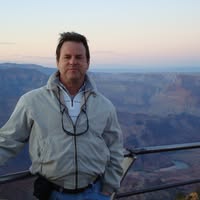 My name is Perry Hewlett. I am a resident of Wilmington and I live in the Ogden area.I was born and raised here, graduated from New Hanover High School, and graduated from UNC-Chapel with a degree in Criminal Justice. I attended Campbell Law school for a brief period but decided against a career in law. Instead, I joined the family land development and construction business, which lasted over 30 years until retiring recently. I still hold a NC General Contractors License. Both sides of my family have lived in this area for generations and I consider myself somewhat of an amateur local historian. I spend my time now boating, fishing and playing live music with 2 local bands
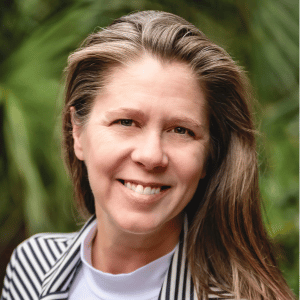 Nikki brings a wealth of experience to The Wilmington Conservative. Her lifelong involvement in the community gives her a great perspective on both politics and culture. She takes these things seriously - but never TOO seriously. She grew up in New Hanover County Schools, raised two adult children in New Hanover County Schools, and has two children currently in New Hanover County Schools, and I work in New Hanover County Schools. She is actively involved in Surfer's Healing and can be seen all about New Hanover.
 Reuel Sample is the Editor-in-Chief of The Wilmington Standard. A graduate of Grove City College and Princeton Theological Seminary, he has served as both a Presbyterian Pastor and a Navy Chaplain. He is the product of a classical liberal arts education combined with real world experience in politics and business and conservative Christian worldview firmly rooted in the Reformed tradition. He is the host of several podcasts including the NHC GOP Podcast, the Pastor's Voice, and co-hosts the Nikki and Reuel Podcast Experience. An avid sailor, he has sailed around the world as a youth and to the Azores as a teen as well as extensive trips up and down the east coast of the United States. He is honored to be married to his wife Pam and makes his home in Wilmington, NC.
Opinion Articles

The Nehemiah Way
America: Reflections of a Grateful Immigrant on America's 250th Anniversary